
Cotoneaster ambiguus
Cotoneaster ambiguus
Description
Growing requirements
Cotoneaster ambiguus is a deciduous shrub belonging to the Rosaceae family. Native to the mountainous regions of Western China, this species is highly valued in horticulture for its elegant growth habit and attractive seasonal foliage changes.
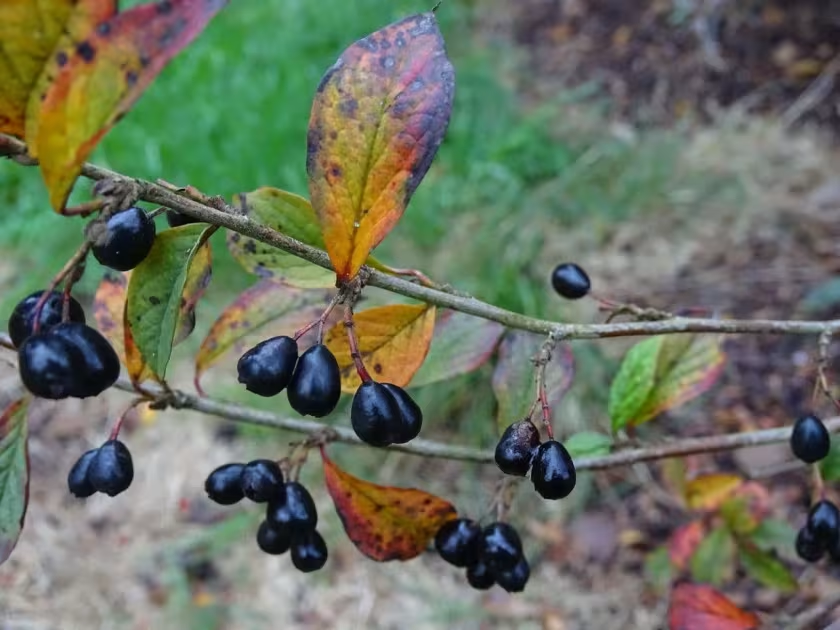
The shrub is characterized by its spreading structure and slender, arching branches. The leaves provide a lush green backdrop during the growing season and transform into vibrant shades of yellow, orange, and red during the autumn, adding significant aesthetic value to landscapes.
It thrives in well-drained, fertile soil and is adaptable to various soil types, ranging from sandy loams to heavier clays, provided that drainage is sufficient. Waterlogging must be avoided, as it can lead to root rot and other physiological stressors for the plant.
Regarding climate requirements, the plant prefers sunny to partially shaded locations. It is notably cold-hardy, making it an excellent choice for temperate gardens. Its ability to withstand wind and exposure makes it suitable for use in varied landscape compositions.
Maintenance involves routine pruning to shape the plant and remove dead or diseased growth. This enhances air circulation within the canopy and promotes healthier overall development. The shrub is generally low-maintenance once established, requiring only moderate irrigation during extreme dry spells.
Main diseases and pests
The primary threats to Cotoneaster ambiguus include fungal issues such as fire blight and powdery mildew. Maintaining proper distance between plants and ensuring good airflow are critical cultural practices for preventing these infestations.
Insect pests such as aphids, mites, and scale insects can occasionally infest the shrub. Early detection and the application of horticultural oils or approved insecticides are usually effective ways to mitigate the damage and ensure the plant's long-term health.