
Peking cotoneaster
Cotoneaster acutifolius
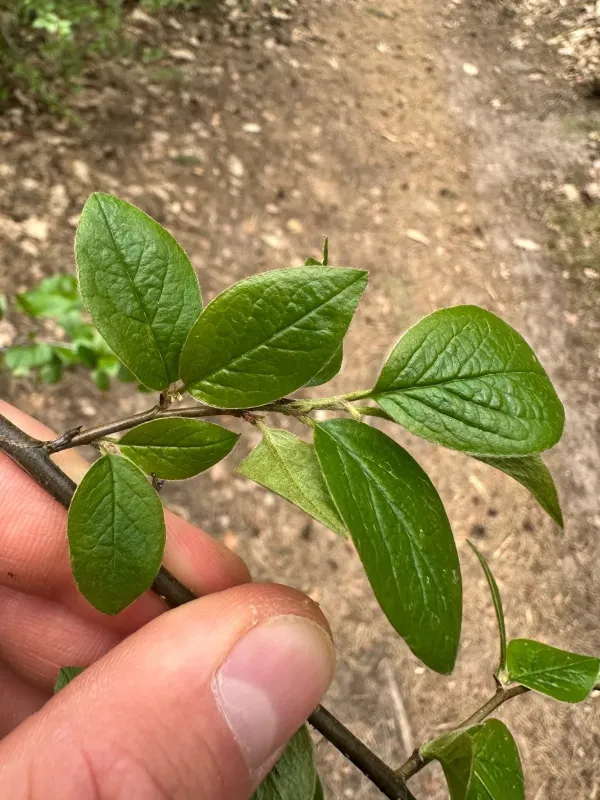
Description
Growing requirements
The Peking cotoneaster (Cotoneaster acutifolius) is a deciduous shrub belonging to the Rosaceae family. Native to East Asia, it is highly valued for its dense growth habit and its excellent utility in landscape architecture.
This shrub is known for its remarkable hardiness, making it suitable for regions with diverse climatic conditions, including cold winters. It demonstrates high resilience to urban pollution and wind, which is crucial for city planting.
Regarding soil preferences, it thrives in a wide range of substrates but performs best in well-drained, fertile, and slightly alkaline soils. It is critical to ensure proper drainage, as prolonged waterlogging can lead to root system decay.
The plant requires full sun to partial shade for optimal health. When planted in sunny locations, it develops a more compact structure and exhibits superior foliage density, which is desirable for formal hedge formation.
In terms of agricultural and landscape usage, the Peking cotoneaster is primarily utilized for formal and informal hedges, screens, and border plantings. It responds exceptionally well to shearing, allowing for precise shaping and size control.
Main diseases and pests
The Peking cotoneaster is generally robust, but it can be susceptible to common shrub diseases such as leaf spot, powdery mildew, and occasionally fire blight. High humidity levels combined with poor air circulation often trigger these issues.
Pests that frequently target this species include aphids, scale insects, and spider mites. These pests can significantly weaken the plant by feeding on the sap, leading to yellowing leaves and stunted shoot development.
Integrated pest management is essential, focusing on cultural practices such as thinning the canopy to improve airflow. This practice effectively reduces the micro-environmental conditions that favor fungal outbreaks.
Chemical control measures should be applied only when necessary, following the identification of specific pathogens. Using systemic insecticides during the early stages of infestation is highly effective in maintaining plant health.
Maintaining a balanced fertilization program and providing adequate moisture without over-saturating the soil helps strengthen the shrub's natural resistance to environmental stress and opportunistic pests.