
Cotoneaster ascendens
Cotoneaster ascendens
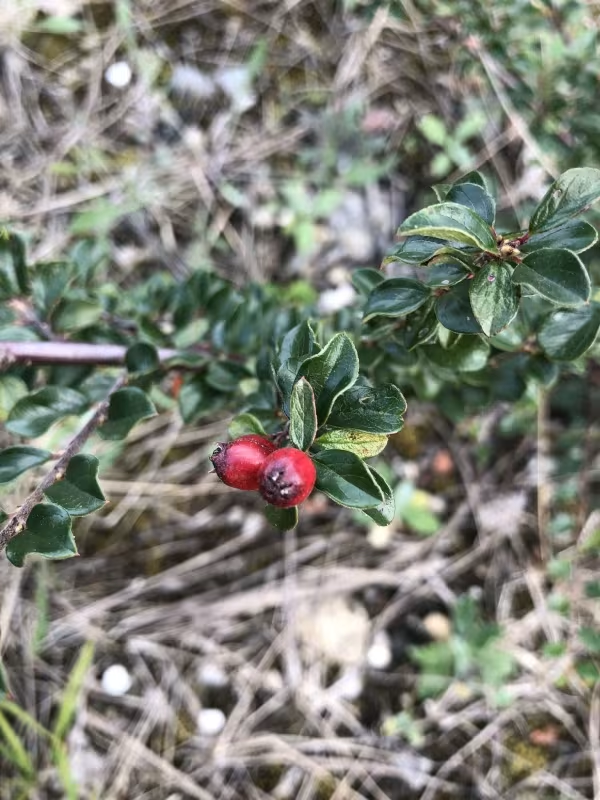
Description
Growing requirements
Cotoneaster ascendens is a perennial shrub belonging to the Rosaceae family. It is recognized for its upward-growing branches which create a dense and visually appealing structural form.
The plant originates from the mountainous regions of China, where it evolved to withstand varying environmental stresses. Today, it is cultivated globally in temperate regions for its ornamental value.
This shrub thrives in well-drained, fertile soil with a neutral to slightly alkaline pH. It is crucial to ensure that the planting site has excellent drainage to prevent root rot.
Cotoneaster ascendens is known for its hardiness. It shows strong resistance to cold winter temperatures and remains drought-tolerant once it has successfully established a deep root system.
In landscaping, it is widely used for hedging, slope stabilization, and ornamental borders. Its versatility makes it a preferred choice for professional gardeners and hobbyists alike.
Main diseases and pests
Common pests associated with this species include aphids, scale insects, and spider mites. These pests typically emerge during warm, dry weather and require monitoring for early control.
Fungal diseases such as powdery mildew represent a significant threat to the foliage. Implementing proper spacing between plants ensures air circulation, which is essential for disease prevention.
Fire blight can occasionally affect the branches, especially during the flowering stage. It is vital to prune and discard infected material immediately to stop the spread of bacteria.
Root rot is a major issue if the soil remains waterlogged. Proper site selection and avoiding over-irrigation are the best strategies to maintain a healthy plant root environment.
Regular sanitation, including the removal of dead or crossing branches, is necessary to maintain the plant's overall vigor and resistance to various pests and diseases.