
Himalayan cotoneaster
Cotoneaster acuminatus
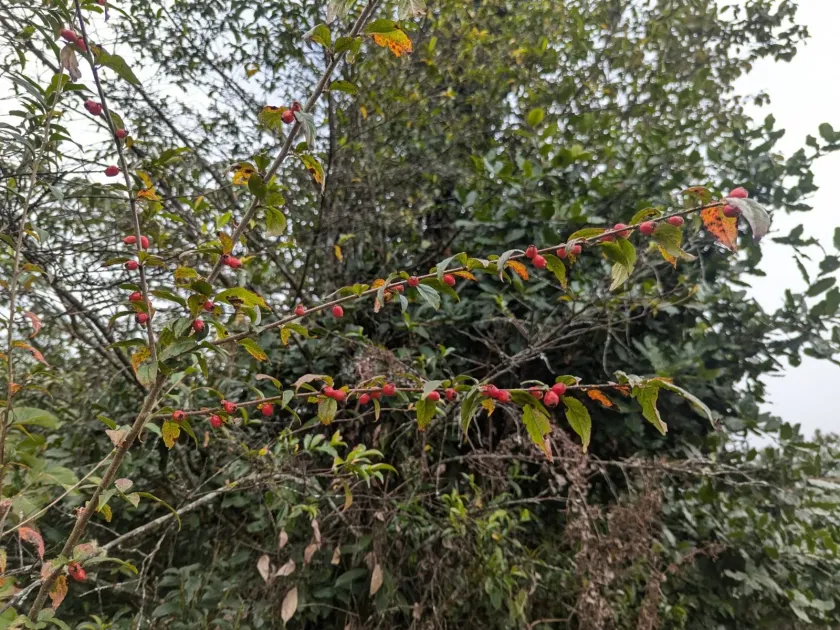
Description
Growing requirements
The Himalayan cotoneaster (Cotoneaster acuminatus) is a deciduous shrub belonging to the Rosaceae family. Originating from the mountain regions of the Himalayas, this species has evolved to thrive in varied topographic conditions, making it a robust choice for temperate gardens.
This shrub performs best in well-drained, fertile soil. It is intolerant of waterlogged conditions, which can lead to root decay, so ensuring proper soil drainage during the planting phase is a critical step for successful establishment.
The species is known for its hardiness and adaptability to different light levels, although full sun to partial shade is optimal for dense growth. It withstands pruning exceptionally well, making it a popular choice for structured hedging and ornamental border designs.
Maintenance requires regular watering during the first growing seasons until the plant is fully established. Annual fertilization with a balanced organic or mineral feed during early spring supports vigorous new shoot production and helps maintain the shrub's health.
Economically and aesthetically, Cotoneaster acuminatus is valued for its long-lasting, deep red berries and its ability to withstand urban environmental stressors. It is frequently utilized in parks, residential gardens, and public green spaces for its year-round decorative appeal.
Main diseases and pests
Common pests affecting the Himalayan cotoneaster include aphids and scale insects. These pests feed on the nutrient-rich sap of the foliage, potentially leading to leaf yellowing and stunted growth if left unmanaged over prolonged periods.
Fungal diseases, such as leaf spot and various types of rust, represent the primary health risks for the shrub. High humidity levels combined with poor air circulation within the shrub canopy are the most common triggers for these infections.
Effective pest control involves the use of horticultural oils or targeted insecticides applied at the first sign of infestation. Maintaining a clean garden environment by removing fallen debris significantly reduces the habitat for many potential pests.
Prevention of fungal outbreaks relies on proper spacing during initial planting to encourage adequate airflow through the branches. If infection does occur, affected sections should be pruned out and disposed of to prevent the spread of spores.
A proactive approach to plant health involves monitoring the foliage for discolouration and abnormal growth patterns. By keeping the plant well-nourished and correctly pruned, the likelihood of successful recovery from disease is significantly enhanced.