
Cranberry cotoneaster
Cotoneaster apiculatus
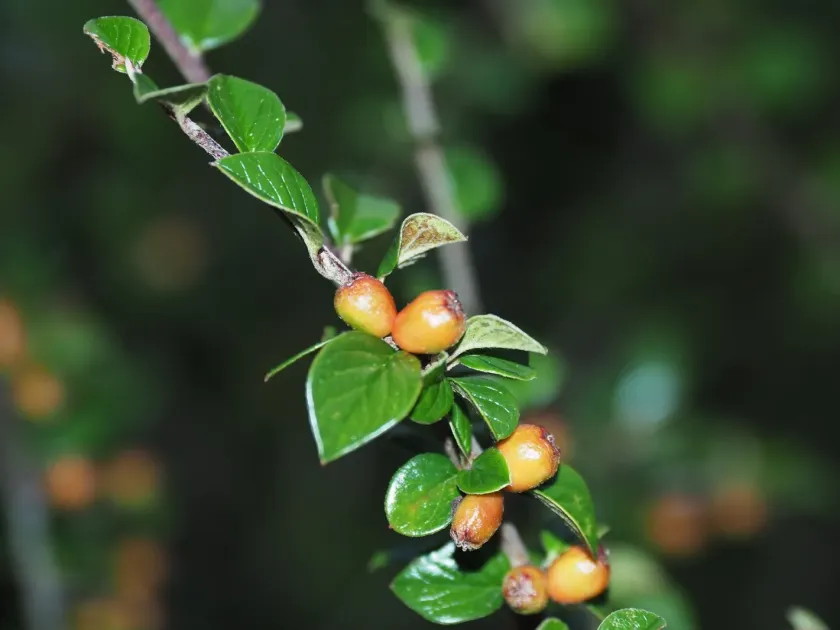
Description
Growing requirements
Cranberry cotoneaster (Cotoneaster apiculatus) is a deciduous shrub belonging to the Rosaceae family. Native to Western China, it is widely cultivated in temperate regions for its distinctive horizontal branching and ornamental fruit production.
The plant thrives in full sun to partial shade conditions. While it is hardy in many climates, it performs best when protected from severe winds, which can damage the foliage and cause winter dieback on younger, more vulnerable branches.
Regarding soil requirements, this species is highly adaptable but prefers well-drained loamy soils. It will not tolerate waterlogged conditions, which frequently lead to root rot and other physiological stressors, so site preparation is critical.
Good agricultural practices involve regular pruning to maintain the shrub's structural integrity. Pruning is typically scheduled during the late winter or early spring to remove dead wood and encourage new growth for the upcoming season.
Its primary use is in landscape architecture, particularly for mass planting, ground covering, and hillside stabilization. The plant's ability to tolerate urban conditions makes it a favorite for public parks and commercial properties.
Main diseases and pests
The most common diseases affecting this shrub include powdery mildew and leaf spot. These pathogens are most prevalent in seasons with high humidity or poor air circulation within the shrub canopy, requiring timely fungicide application.
Insects such as aphids, spider mites, and scale insects are known pests of Cotoneaster apiculatus. Integrated pest management strategies are recommended to keep populations below the threshold that would negatively impact plant aesthetics.