
Cotoneaster affinis
Cotoneaster affinis
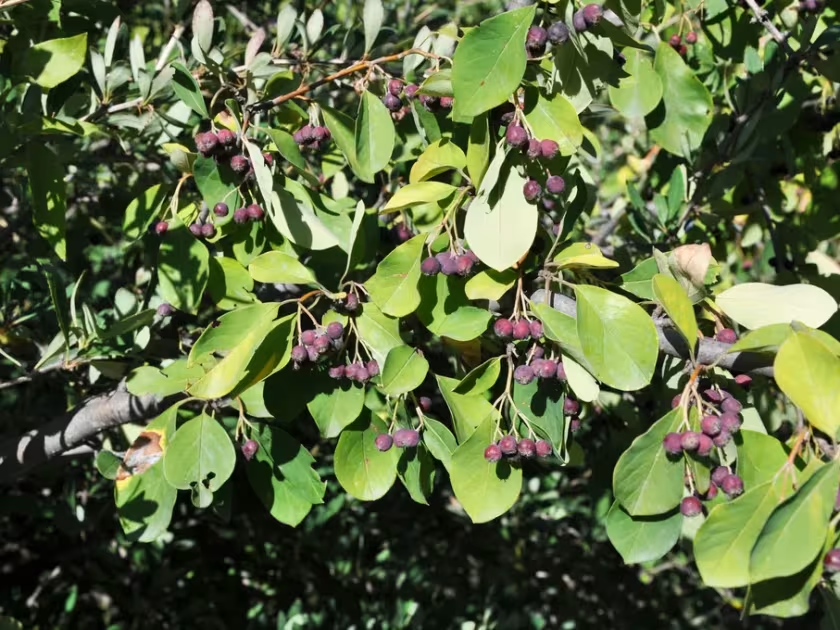
Description
Sowing dates
Propagation of Cotoneaster affinis is typically achieved through seed sowing in spring, following a mandatory cold stratification period to break seed dormancy and ensure uniform germination.
Softwood cuttings can also be utilized for vegetative propagation; these are usually collected in late summer and placed in a humidified rooting medium to facilitate root development before winter.
When transplanting nursery-grown specimens, it is essential to ensure the root ball remains intact to minimize transplant shock and encourage rapid establishment in the new location.
The spacing between plants depends on the intended use; for hedges, a density of two to three plants per meter is usually sufficient to form a thick, continuous screen over time.
Proper site preparation, including the incorporation of organic matter and ensuring adequate soil friability, significantly improves the establishment success of young shrubs during their first growing season.
Growing requirements
Cotoneaster affinis is a robust member of the Rosaceae family, originating from the Himalayas and valued for its architectural form, lustrous foliage, and abundant red to dark purple fruit.
This shrub is highly adaptable to various soil types, ranging from light sandy soils to heavier loams, provided that the drainage remains efficient to prevent root rot in wet conditions.
While the species is drought-tolerant once established, it responds positively to irrigation during prolonged dry spells, which helps maintain its aesthetic appeal and fruit production levels.
The plant demonstrates remarkable cold hardiness, surviving in various climatic zones and tolerating moderate exposure to wind without significant damage to its structural integrity.
Maintenance tasks include periodic pruning to remove damaged wood and improve the internal light penetration, which encourages denser growth and more prolific flowering in subsequent seasons.
Main diseases and pests
The most significant pathological threats to Cotoneaster affinis include fungal infections such as fire blight and leaf spot, which thrive in humid, poorly ventilated environmental conditions.
Effective management strategies involve cultural practices like thinning out overcrowded branches to improve airflow, supplemented by the targeted use of copper-based or systemic fungicides.
Insect pests such as scale insects and aphids may occasionally attack the plant, feeding on the phloem and weakening the overall vigor of the shrub during periods of active growth.
Monitoring for signs of pest activity is crucial; early intervention with appropriate insecticidal soaps or systemic pesticides can effectively mitigate the impact of infestations.
Maintaining a healthy, stress-free plant through adequate nutrition and irrigation is the best primary defense against the opportunistic diseases and pests that affect this hardy species.