
Cotoneaster watereri
Cotoneaster watereri
Description
Growing requirements
Cotoneaster watereri is a robust hybrid shrub belonging to the Rosaceae family. Developed in the United Kingdom, it is widely recognized for its elegant, arching growth habit and its ability to act as either a semi-evergreen or evergreen plant depending on the regional climate.
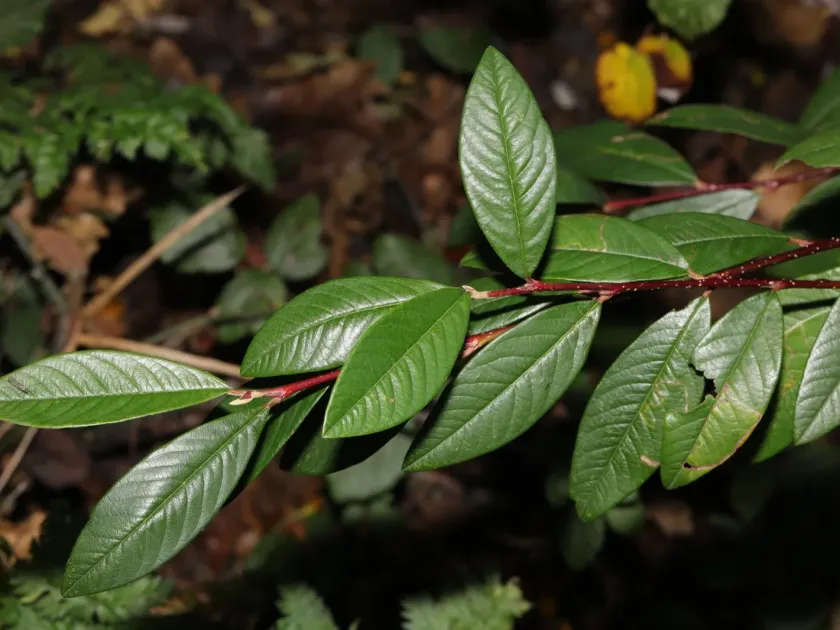
Botanically, this shrub is prized for its long, dark green, leathery leaves and profuse clusters of white flowers in early summer. These flowers are later followed by bright red berries, which provide excellent food for local bird species during the autumn and winter months.
In terms of soil requirements, Cotoneaster watereri thrives in well-draining, moderately fertile soils. It is quite adaptable to various pH levels, but it performs best in neutral to slightly alkaline conditions. It is essential to ensure the planting site is not prone to waterlogging, as the roots are sensitive to excessive moisture.
The climate requirements for this plant are relatively flexible, as it is hardy in most temperate zones. While it prefers full sun for the most vigorous growth and fruit production, it can tolerate partial shade, making it a versatile choice for different parts of the garden landscape.
Regarding agrotechnical management, this shrub requires minimal maintenance once established. However, regular pruning is recommended to maintain its shape, especially when used as a formal hedge. A balanced slow-release fertilizer applied in the spring supports healthy vegetative growth throughout the season.
Main diseases and pests
One of the primary concerns for Cotoneaster watereri is powdery mildew, which can develop during hot and humid summers. This fungal infection leaves a white, dusty film on the leaves, which can lead to premature leaf drop if left untreated.
Aphids often target new, succulent growth during the spring season. While minor infestations may not cause long-term damage, large colonies can distort the leaves and attract sooty mold, necessitating the use of horticultural soaps or specific insecticides.
Fire blight is another significant threat that gardeners should watch for. This bacterial disease causes branches to wither and die back as if scorched by fire. Affected parts must be pruned back into healthy wood immediately, with tools disinfected after each cut to prevent further spread.
Scale insects can occasionally appear, appearing as small bumps on the stems. They are often overlooked until the shrub starts to show signs of decline, such as yellowing leaves or stunted growth. Systematic checks of the bark and branches are advised during dormant periods.
Cultural practices, such as ensuring adequate spacing for airflow, are the best defense against many of these issues. Keeping the area under the shrub clear of debris helps reduce the overwintering sites for both pests and disease-causing fungi.