
Cotoneaster villosulus
Cotoneaster villosulus
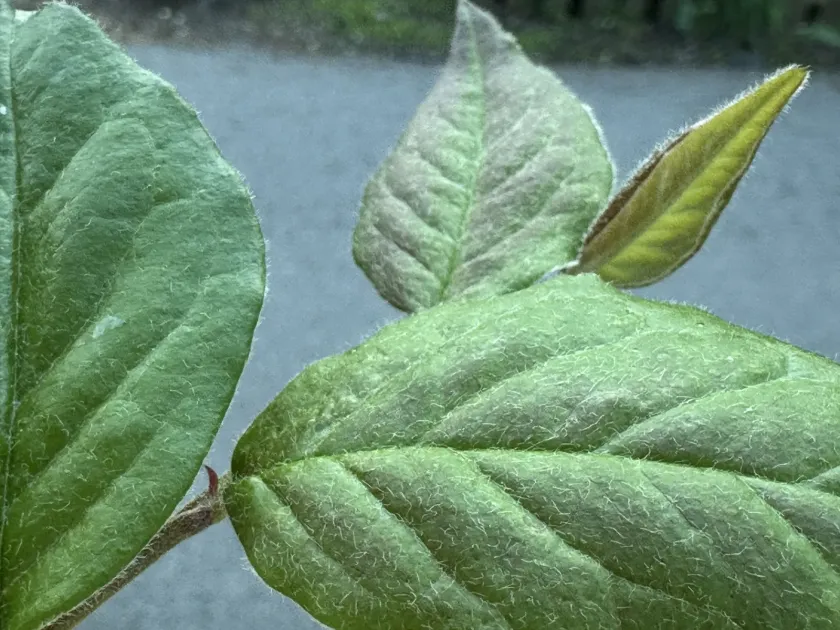
Description
Growing requirements
Cotoneaster villosulus is a deciduous shrub belonging to the Rosaceae family. Known for its elegant structure and hardiness, it serves as a valuable ornamental plant in various agricultural and landscaping projects.
Originating from the mountainous regions of China, this species has adapted well to temperate climates across the globe. It is prized for its ability to thrive in urban settings where other ornamental species might struggle.
The plant requires well-drained, fertile soil to ensure vigorous growth. While it shows some tolerance to soil acidity, it performs best in neutral to slightly alkaline conditions with moderate nutrient content.
Cultivation practices involve selecting sunny or partially shaded locations. Proper spacing is essential to allow for adequate air circulation, which prevents the build-up of excess moisture and subsequent fungal issues.
Regular maintenance includes pruning in early spring to shape the shrub and remove dead wood. Watering should be deep and infrequent, focusing on the root zone, particularly during the establishment years.
Main diseases and pests
Powdery mildew represents a significant fungal threat to Cotoneaster villosulus. It manifests as a white, powdery coating on foliage, often occurring in humid conditions with poor airflow.
Aphids are the most common insect pests that target new shoots during the spring. They cause curling of the leaves and can stress the plant, necessitating timely insecticidal intervention.
Spider mites are another concern, as they feed on the underside of leaves, causing discoloration and eventual leaf drop if infestations are not managed properly throughout the summer.
Scale insects can attach to the woody stems, draining the plant's resources. Identifying these pests early through consistent monitoring is vital for keeping the shrub in peak physical condition.
Integrated pest management, including the removal of infested branches and the use of eco-friendly sprays, is recommended to maintain the health and aesthetic appeal of the shrub in a garden setting.