
Bearberry cotoneaster
Cotoneaster uva-ursi
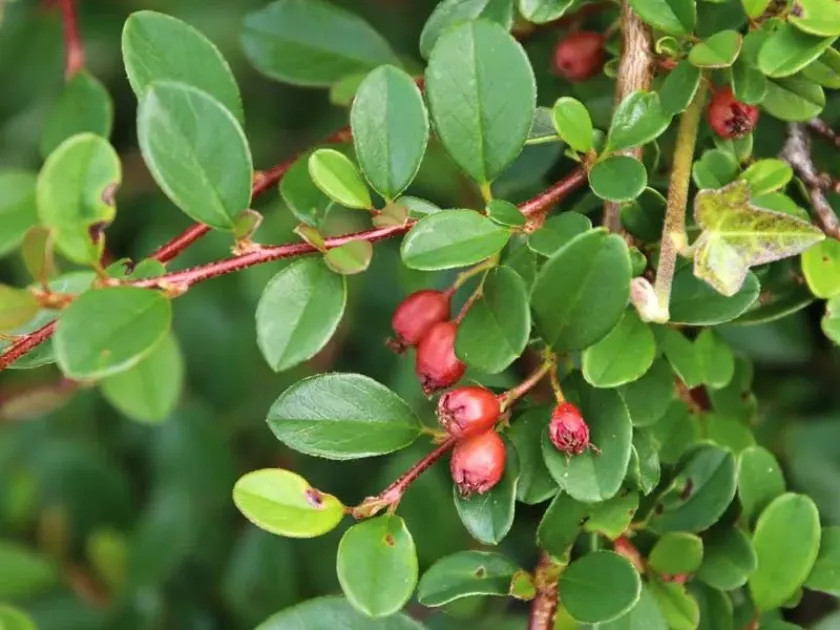
Description
Growing requirements
Bearberry cotoneaster (Cotoneaster uva-ursi) is a low-growing, evergreen or semi-evergreen shrub belonging to the Rosaceae family. Native to mountainous regions, this plant is known for its extreme hardiness and its ability to thrive in poor, rocky, or sloping soils.
The shrub prefers well-drained soil and exposure to full sun or partial shade. It is highly valued in agriculture and landscaping for its ability to prevent soil erosion on banks and its tolerance for varied environmental conditions, including urban pollution.
Agrotechnical maintenance is relatively simple, requiring occasional pruning to maintain its form and structure. Because the plant has a slow growth rate, it does not require intensive care, making it an ideal candidate for low-maintenance garden designs.
Watering requirements are moderate; the plant establishes itself well once rooted and becomes quite drought-tolerant. Excessive moisture in the root zone must be avoided at all costs to prevent root rot and ensure the longevity of the specimen.
In landscaping, it is used extensively for rock gardens, ground cover, and low borders. Its glossy foliage and bright red persistent berries offer year-round interest, making it a highly desirable plant for both residential and commercial landscaping projects.
Main diseases and pests
The plant is susceptible to fungal infections such as fire blight and leaf spot, especially in environments with poor air circulation or excessive humidity. Regular thinning of branches is recommended to ensure the plant stays dry and healthy.
Common insect pests include aphids, scale insects, and spider mites. These pests typically congregate on the underside of leaves and succulent young stems, leading to stunted growth or discolored foliage if left untreated.
Management of these threats involves a combination of cultural practices and targeted chemical treatments. Horticultural oils or systemic insecticides are generally effective if applied during the early stages of a pest outbreak.
Maintaining high soil fertility and optimal pH levels helps the plant naturally resist pest pressure. Fertilizers high in potassium can enhance the plant's overall durability against environmental stress and common garden diseases.
Sanitation is key to disease prevention; removing debris and fallen leaves from around the base of the shrub prevents the accumulation of fungal spores and insects. Vigilance during the spring and summer months is essential for a thriving landscape.