
Cotoneaster uniflorus
Cotoneaster uniflorus
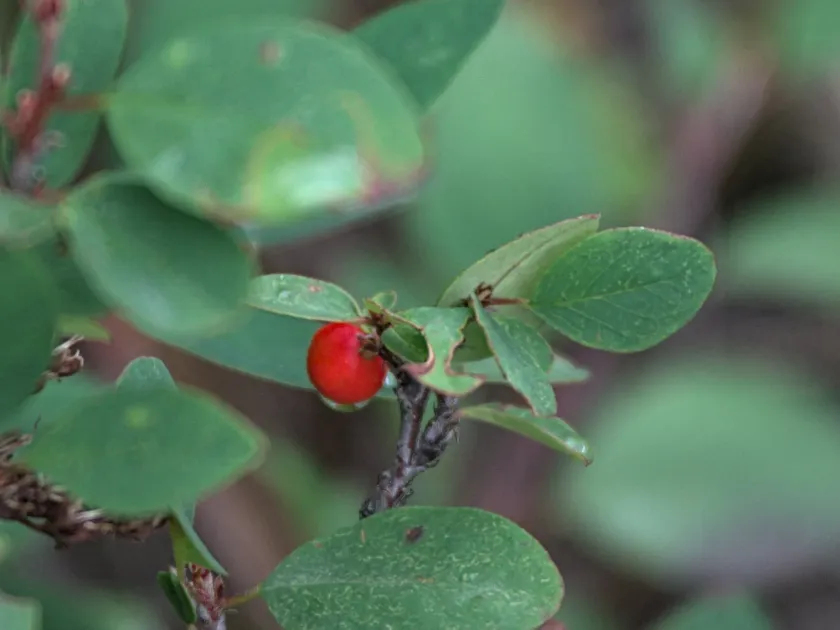
Description
Growing requirements
Cotoneaster uniflorus is a low-growing woody shrub species belonging to the Rosaceae family. Native to the rocky habitats of Siberia and the Altai Mountains, this plant is well-known for its exceptional hardiness and ability to thrive in harsh, high-altitude climates.
The plant performs best when placed in full sun to partial shade, making it a versatile choice for various garden exposures. Its small, dark green leaves and dense habit provide an excellent texture for ground covering or small-scale hedging purposes.
Regarding soil conditions, this species requires excellent drainage to prevent root rot. It is tolerant of various soil types, provided they are not waterlogged, and it shows a preference for rocky or loamy substrates with neutral to slightly alkaline pH levels.
Cultivation practices involve minimal maintenance once the plant is established. Annual pruning is recommended to maintain the desired shape and density, while occasional weeding around the base helps the plant establish a strong root system during its initial growth phase.
Its primary agricultural and ornamental use is in rock gardens and hillside stabilization projects. The shrub's ability to withstand urban pollution and winter frosts makes it a valuable asset for municipal landscape designers and home gardeners alike.
Main diseases and pests
The shrub is occasionally affected by fungal issues such as powdery mildew or fire blight, particularly in regions with high humidity or stagnant air conditions that prevent rapid foliage drying.
Common pests include aphids and mites, which can cause leaf curling and yellowing. Regular monitoring during the growing season is crucial to prevent infestations from spreading to other nearby ornamental plantings.
Pest management should focus on early intervention with horticultural oils or soaps if infestation levels remain low, ensuring the health and aesthetic quality of the foliage are maintained throughout the summer.
Cultural prevention techniques, such as proper spacing and cleaning of debris under the shrubs, effectively reduce the risk of overwintering pathogens and insect larvae in the garden soil.
- Monitor for signs of aphids on new growth
- Apply fungicides preventively in humid spring weather
- Ensure proper spacing during planting for optimal airflow