
Turbinate cotoneaster
Cotoneaster turbinatus
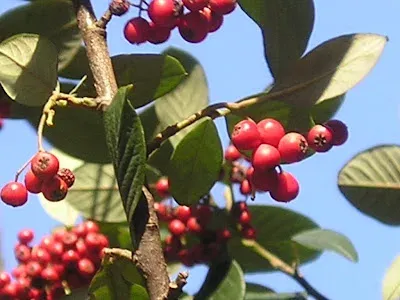
Description
Growing requirements
Turbinate cotoneaster (Cotoneaster turbinatus) is an ornamental deciduous shrub belonging to the Rosaceae family. It is native to the mountain regions of China and is highly valued for its elegant growth habit and attractive foliage.
The plant thrives in well-lit environments, preferring full sun exposure to maintain its density. It shows good hardiness and can adapt to various temperate climates, making it a reliable choice for landscaping in many regions.
Regarding soil, it prefers fertile, well-draining loams. The species does not tolerate waterlogging, so it is critical to ensure proper drainage at the planting site, especially in heavy clay-based soils. A neutral to slightly alkaline pH is ideal for nutrient uptake.
Maintenance involves routine weeding around the base and applying a balanced fertilizer in the early spring. This stimulates vigorous growth and enhances the plant's natural resistance to environmental stress during the vegetative season.
Pruning is an essential practice for this shrub, performed annually in late winter or early spring. This encourages a compact structure, improves air circulation within the canopy, and helps manage the overall size of the shrub effectively.
Main diseases and pests
Common pests that affect this species include aphids, scale insects, and spider mites. Regular inspection of the undersides of leaves during warm, dry weather is recommended for early detection and control of these populations.
Diseases like fire blight or fungal leaf spots can occur under conditions of high humidity and poor ventilation. To manage these risks, gardeners should avoid overhead watering and ensure adequate spacing between individual plants to prevent moisture buildup.