
Cotoneaster tomentellus
Cotoneaster tomentellus
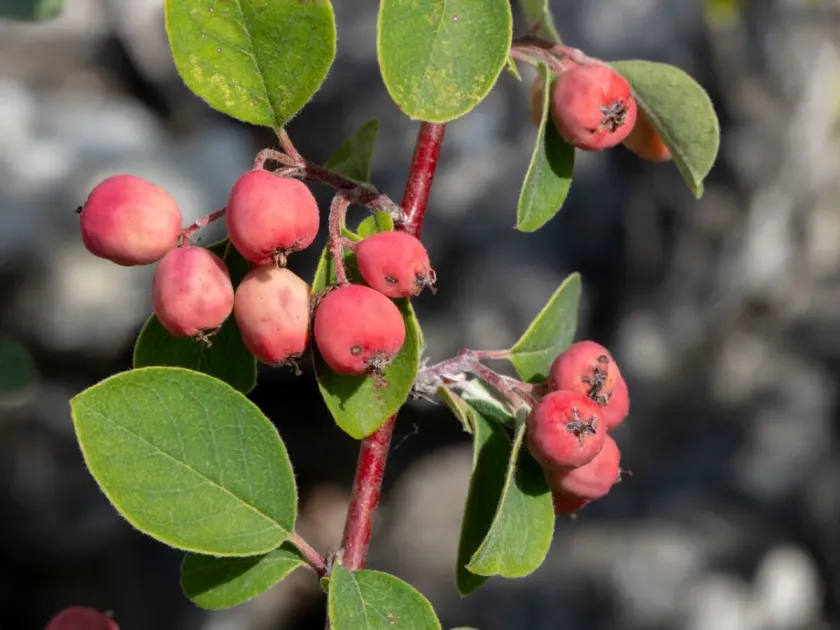
Description
Growing requirements
Cotoneaster tomentellus is a woody shrub belonging to the Rosaceae family. Known for its resilience and decorative value, it originates from mountainous habitats, which accounts for its robust nature and adaptation to varied environmental conditions.
This species thrives in well-drained soils, preferring loamy or rocky substrates. It exhibits a high tolerance for calcareous soils, making it an excellent choice for sites where other ornamental plants might struggle due to soil pH levels.
Climatically, it requires full sun to partial shade for optimal growth. It is exceptionally cold-hardy, capable of withstanding harsh winters, and demonstrates significant drought tolerance once the root system is well established.
Regarding agrotechnical practices, annual pruning is essential to maintain a desired shape and density. Pruning should be performed in early spring before the onset of new vegetative growth to remove dead or weak branches.
Minimal fertilization is required, as the species is adapted to nutrient-poor soils. Applying a balanced organic mulch around the base helps retain soil moisture and suppresses weed growth while slowly providing necessary minerals to the plant.
Main diseases and pests
Fire blight is the most critical threat to Cotoneaster tomentellus, potentially causing rapid tissue necrosis. Infected branches should be pruned back to healthy wood and discarded properly to prevent further spread.
Aphid infestations are common during the spring flush. These pests weaken the plant and can lead to secondary issues such as sooty mold growth on honeydew deposits; timely application of insecticidal soap is usually effective.
Powdery mildew can affect the foliage during warm, humid weather. Ensuring proper spacing between plants and maintaining good airflow within the canopy are primary preventive measures against this fungal disease.
Scale insects can occasionally infest the stems, appearing as small, waxy bumps. During heavy infestations, dormant oil sprays applied in late winter can help manage the population before they become active in spring.
Root rot, often caused by waterlogged soil, can severely damage the plant. Maintaining consistent drainage is the most effective management strategy to ensure long-term health and prevent fungal pathogens from attacking the root system.