
Crimean cotoneaster
Cotoneaster tauricus
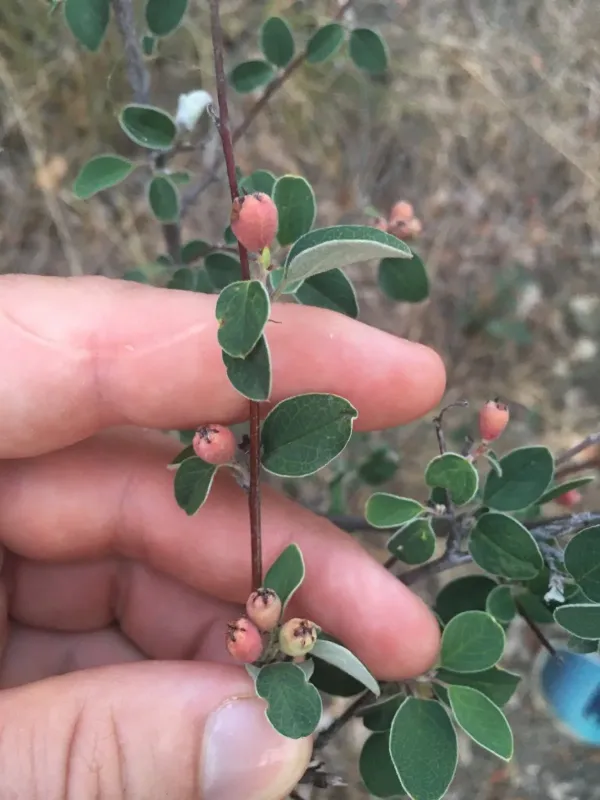
Description
Growing requirements
Crimean cotoneaster (Cotoneaster tauricus) is a perennial deciduous shrub belonging to the Rosaceae family. It is recognized for its unique adaptation to mountainous ecosystems and serves as a significant botanical asset in its native region.
The plant thrives in well-drained, rocky, or calcareous soil profiles. It demonstrates remarkable tolerance to low-nutrient soils, making it an excellent candidate for xeriscaping and planting in areas where other ornamental species fail to establish.
Regarding climatic requirements, the species is highly drought-resistant once matured. It thrives in temperate regions with clear, sunny weather, as intense UV exposure promotes denser branching and better foliage color development.
Cultivation practices involve minimal maintenance, focusing primarily on the first two years of establishment. Mulching the root zone helps maintain stable temperatures and prevents evaporation, which is crucial during hot summer months.
In landscaping, Cotoneaster tauricus is valued for its hardiness and ornamental berries that persist into late autumn. It serves as an essential food source for local bird populations, supporting local biodiversity within artificial habitats.
Main diseases and pests
Common pathological issues include fungal leaf spots and crown rot caused by poor soil aeration. To prevent these, it is recommended to ensure correct spacing during planting and avoid over-irrigation.
Pest management should focus on monitoring for aphids and scale insects, especially during the spring growth flush. Integrated pest management (IPM) practices, such as encouraging beneficial predators, are highly recommended for this shrub.