
Cotoneaster suavis
Cotoneaster suavis
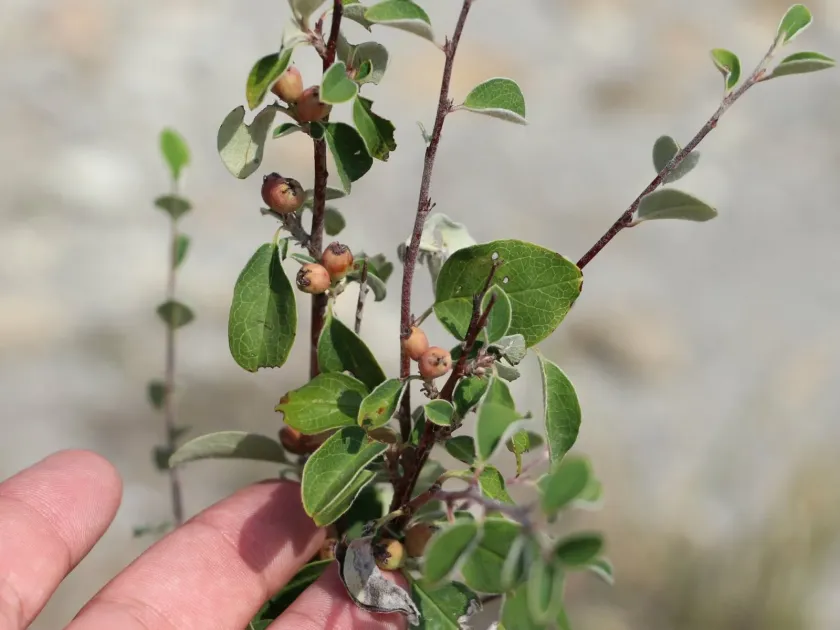
Description
Growing requirements
Cotoneaster suavis is a deciduous shrub belonging to the Rosaceae family. It is highly regarded in horticulture for its aesthetic appeal and its ability to thrive in various environmental settings without intensive maintenance.
The plant originates from the high-altitude regions of Asia. Due to its natural habitat, it has developed significant cold resistance and the ability to adapt to diverse soil types, provided that the drainage remains efficient.
Optimal growth is achieved in sunny locations or partial shade. The shrub is remarkably tolerant of urban air pollution, making it an excellent candidate for roadside planting, public parks, and decorative garden borders.
Regarding soil requirements, Cotoneaster suavis prefers well-drained, nutrient-rich substrates, though it displays high tolerance for alkaline and slightly acidic soils. Avoid planting in areas prone to seasonal waterlogging.
Agronomic management involves periodic watering during dry spells and annual pruning to maintain shape. Pruning is best performed in early spring before the active growth phase begins to encourage dense branching.
Main diseases and pests
Common pests affecting this species include aphids, scale insects, and spider mites. Regular scouting and the application of horticultural oils or systemic insecticides help manage these populations effectively.
Fungal diseases like powdery mildew and fusarium wilt can occur under high humidity conditions. Implementing a proper spacing regime ensures adequate airflow, which is a key preventative measure against these infections.
Fire blight is a serious bacterial concern for the Rosaceae family. Any symptomatic branches must be pruned immediately, cutting well back into healthy tissue, and tools must be disinfected with alcohol between cuts.
Maintaining soil health through consistent mulching and balanced fertilization supports the plant's natural defenses. Healthy plants are significantly more resilient to attacks by opportunistic pests and soil-borne pathogens.
Seasonal checks are essential, particularly during the transition between spring and summer. Monitoring the undersides of leaves and the condition of terminal shoots allows for early intervention and ensures the longevity of the shrub.