
Cotoneaster sternianus
Cotoneaster sternianus
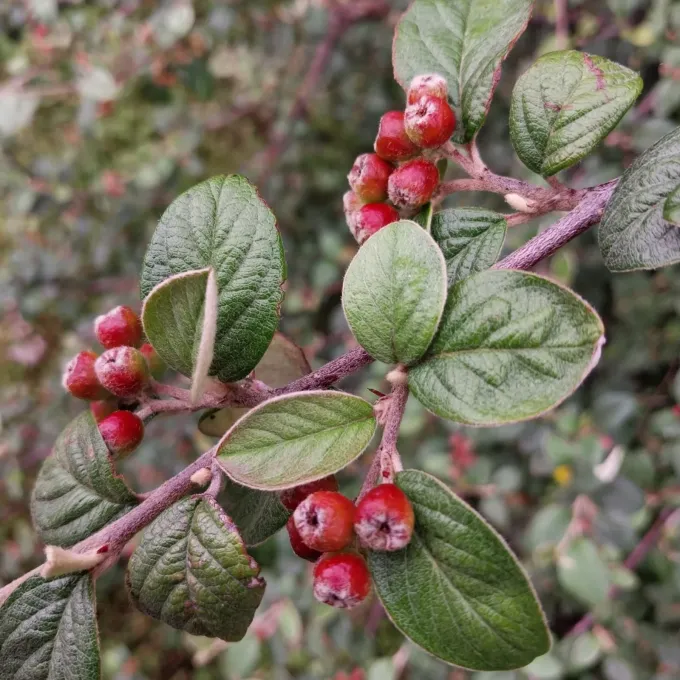
Description
Sowing dates
Propagation of Cotoneaster sternianus is primarily achieved through seeds or stem cuttings. Seed propagation is a slower process as it requires a period of cold stratification, typically lasting three to four months, to break dormancy and ensure high germination rates.
Seeds should be sown in a well-draining seedbed or containers filled with a sandy loam mix. Autumn sowing is preferred in temperate climates, allowing the seeds to undergo natural cooling cycles throughout the winter period.
For vegetative propagation, semi-hardwood cuttings are taken in mid-summer. Cuttings should be treated with a rooting hormone and kept in a high-humidity environment, such as a cold frame or greenhouse, to prevent desiccation.
Once roots are established, the young shrubs are moved to nursery beds to continue their development. Providing consistent irrigation and protection from extreme elements is crucial during the first two years of their life cycle.
Transplanting into the permanent garden site is best performed during the spring season. This allows the plants to establish a robust root system before the onset of extreme summer heat or winter frost.
Growing requirements
Cotoneaster sternianus belongs to the Rosaceae family and is native to the mountain regions of China. It is highly valued in horticulture for its dense growth habit, evergreen foliage, and persistent red fruits that add visual interest.
The shrub thrives in sunny to partially shaded locations. It is generally adaptable to a wide range of soil types, provided they offer excellent drainage, as the species is highly sensitive to waterlogged conditions that cause root rot.
Maintenance involves routine weeding and mulching around the base to retain soil moisture. The plant is noted for its high tolerance to pruning, making it an excellent candidate for formal hedges, topiary shapes, and ground cover applications.
Fertilization with a balanced mineral mix during early spring encourages healthy vegetative growth. As the shrub matures, it exhibits good drought tolerance, reducing the need for constant supplemental irrigation.
In colder zones, protecting young specimens from harsh winds is recommended. Proper spacing when planting is necessary to ensure adequate airflow, which is critical for preventing common fungal outbreaks within the foliage.
Main diseases and pests
Fusarium wilt is a primary health concern for this species, characterized by the sudden wilting and browning of branches. Prompt removal and destruction of affected parts are necessary to halt the spread of the pathogen.
Powdery mildew can occur if the plant is grown in dense, low-airflow environments. Keeping the shrub pruned to allow good light penetration and air circulation is the most effective way to manage and prevent this fungus.
Pests such as aphids and cotoneaster mites can settle on the undersides of leaves. These insects feed on sap, leading to stunted leaf growth and yellowing, which significantly impacts the shrub's overall decorative appeal.
Scale insects may also attach to stems, requiring manual removal or the application of horticultural oils during the dormant season. Early detection and treatment are essential for maintaining plant vigor.
General hygiene, including the removal of deadwood and seasonal pruning, remains the best practice for minimizing pest pressure and disease risks in the cultivation of Cotoneaster sternianus.