
Cotoneaster lucidus
Cotoneaster splendens
Description
Growing requirements
Cotoneaster lucidus, known as the shiny cotoneaster, belongs to the Rosaceae family. Native to regions of Northern China and Siberia, this deciduous shrub is highly valued for its dense foliage and exceptional hardiness in cold climates.
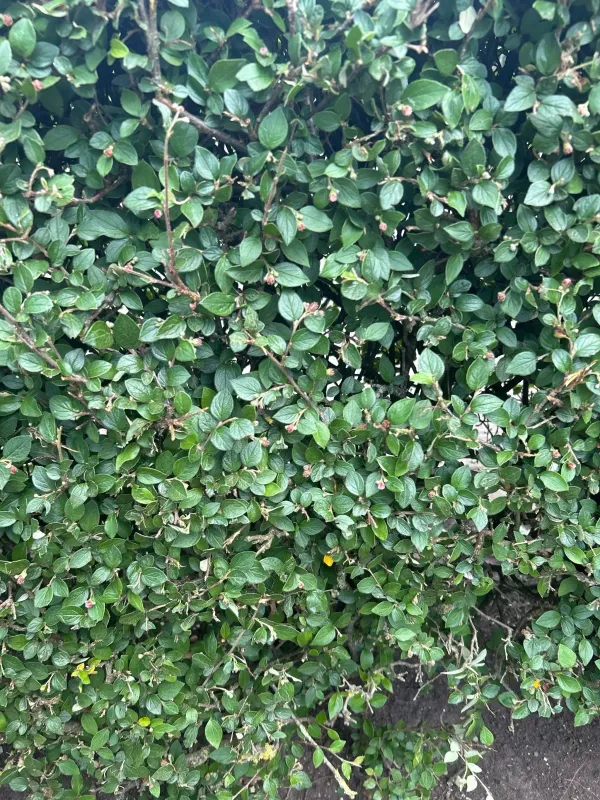
The plant features upright, rigid branches that make it an ideal choice for clipped hedges. Its glossy leaves provide year-round aesthetic interest, turning into vibrant shades of red and orange during the autumn period.
To ensure vigorous growth, the culture requires well-drained soil with a neutral or slightly alkaline pH level. While it adapts well to various lighting conditions, planting in full sun promotes the most dense foliage development and intense autumn coloration.
Agronomic management focuses primarily on structural pruning to maintain the desired hedge shape. Periodic fertilization with organic matter or balanced mineral complexes supports healthy annual shoot growth and increases the plant's natural resistance.
In landscaping, this species is widely utilized for privacy screens and formal gardens. Its resilience to environmental stressors and urban pollution makes it a sustainable choice for large-scale municipal planting projects.
Main diseases and pests
The most common pests affecting Cotoneaster lucidus are aphids and mites, which can cause leaf curling and decreased vitality. Integrated pest management strategies, such as using neem oil or systemic insecticides, are recommended for control.
Fungal pathogens like powdery mildew are a concern, particularly in areas with poor airflow and high humidity. Ensuring proper spacing between individual plants is the best preventative strategy against these fungal outbreaks.
Root rot caused by Phytophthora species is a serious risk if the soil remains waterlogged for extended periods. Improving soil drainage is essential for long-term plant health and vigor.
Regular sanitation, including the removal of deadwood and infected leaves, is crucial for preventing the spread of diseases. Proper pruning tools should be disinfected after working on affected shrubs to avoid cross-contamination.
Ongoing monitoring is essential for successful management. Early detection of leaf spots or discoloration allows for timely intervention, ensuring that the hedge remains healthy and maintains its ornamental appeal throughout the growing cycle.