
Sikang cotoneaster
Cotoneaster sikangensis
Description
Growing requirements
The Sikang cotoneaster (Cotoneaster sikangensis) is a deciduous woody shrub belonging to the Rosaceae family. Native to the mountainous regions of Western China, it is well-adapted to varied mountain climates and thrives in temperate zones.
The plant demands well-drained soil types, preferring loamy substrates that maintain moisture without becoming waterlogged. It exhibits excellent winter hardiness, making it a reliable choice for gardens in regions with significant temperature drops during winter months.
Optimal growth is achieved when the shrub is planted in full sun or light shade. Adequate sunlight is essential for the plant to develop its characteristic dense crown and to ensure profuse flowering during the spring season.
Agricultural management requires periodic pruning to maintain its architectural shape and remove any dead or diseased wood. While it is relatively drought-tolerant once established, supplemental watering during intense heat waves will promote better growth performance.
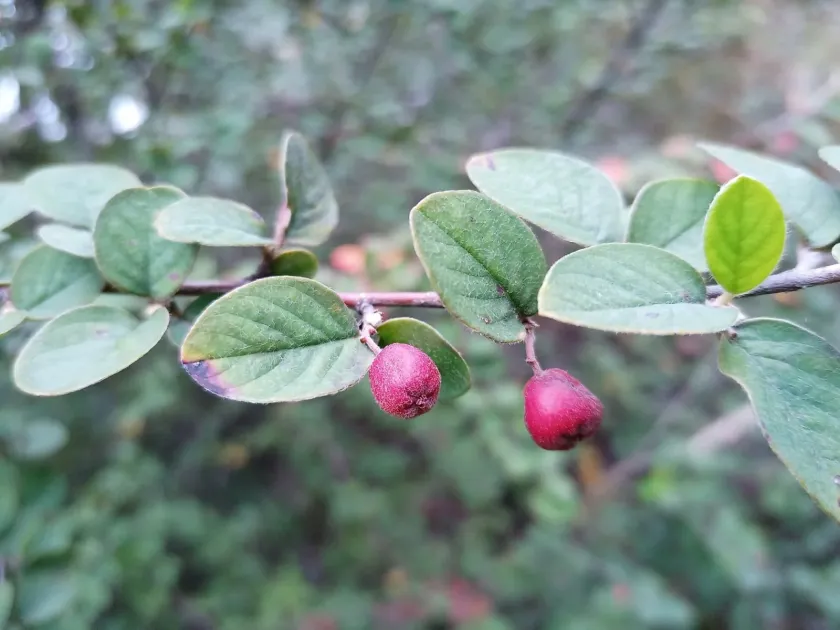
This species is widely used in landscape design, specifically for hedging, shrub borders, and foundation plantings. Its ornamental value is high due to its delicate white flowers followed by persistent, vivid fruits that provide aesthetic appeal throughout the late season.
Main diseases and pests
The primary threats to Cotoneaster sikangensis include fungal diseases such as leaf spot and powdery mildew. These issues often arise in conditions of poor air circulation or excessive soil moisture, emphasizing the importance of site selection and spacing.
Common pests include aphids and spider mites, which can cause significant damage to young leaves and tender stems. Integrated pest management, including regular inspection and the use of insecticidal soaps, is highly recommended to protect the health of the plant.