
Sherriff's cotoneaster
Cotoneaster sherriffii
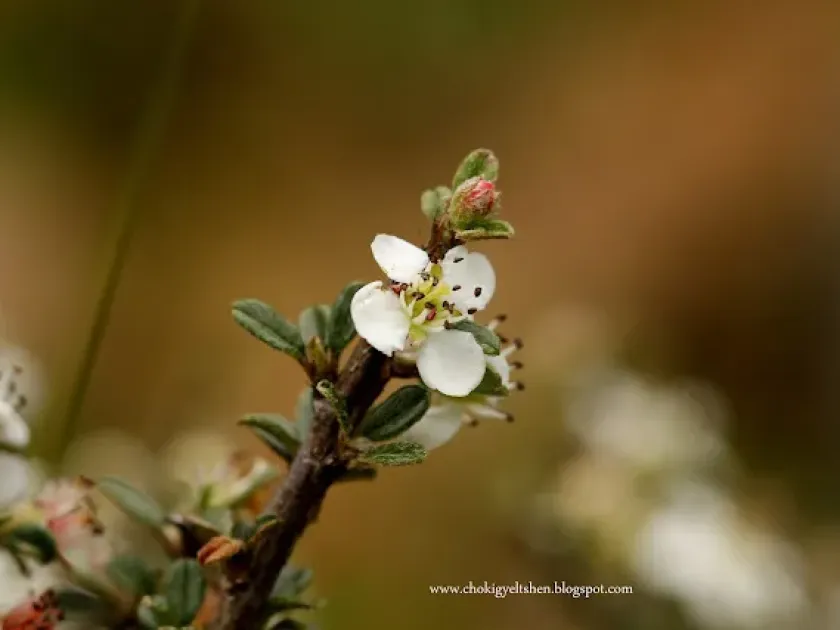
Description
Sowing dates
Sherriff's cotoneaster, a member of the Rosaceae family, is primarily propagated through vegetative cuttings. Semi-hardwood cuttings taken during the mid-summer months offer the highest rate of rooting success.
Seed propagation is also possible, requiring a period of cold stratification before sowing in a well-drained substrate. Seeds are typically sown in outdoor nursery beds during late autumn for spring emergence.
Young plants require specialized nursery care for at least two years to develop a robust root system. During this stage, providing consistent irrigation and filtered sunlight is crucial for healthy development.
Transplanting to a permanent location is best performed in early spring before the onset of the growing season. Early autumn planting is an alternative in warmer climates, provided adequate mulching is applied.
When used in landscaping or hedging, spacing between individual plants should range from 0.5 to 1 meter, ensuring enough room for canopy expansion and proper ventilation.
Growing requirements
This species thrives in sunny environments, which are essential for stimulating flower production and dense foliage. While it tolerates partial shade, excessive shade may result in a sparse growth habit.
Sherriff's cotoneaster is highly adaptable to various soil types, including stony and low-nutrient substrates. Good soil drainage is the only non-negotiable requirement for preventing root-related issues.
Once established, the plant exhibits remarkable drought tolerance. However, providing supplemental watering during extended dry spells will significantly enhance the aesthetic appearance and overall vigor of the shrub.
The ideal soil pH for this culture ranges from 6.0 to 7.5. Periodic application of balanced fertilizers supports optimal growth, especially in soils that are naturally deficient in essential nutrients.
In colder regions, selecting a site protected from harsh winter winds is advisable to prevent tissue damage. Maintaining a thick layer of organic mulch around the base helps regulate soil temperature.
Main diseases and pests
Fungal pathogens such as powdery mildew and fusarium wilt pose the greatest risks to the plant. Maintaining adequate spacing between shrubs is an essential preventative measure against these infections.
Spider mites and aphids are the most common pests found on this species, often targeting young foliage. Early detection and the application of appropriate acaricides or insecticidal soaps are recommended.
Root rot is typically caused by waterlogged soil conditions. Ensuring that the planting site has excellent drainage and avoiding over-irrigation are key components of disease management.
Sanitary pruning is essential to remove dead or diseased wood, which could otherwise serve as a harbor for pathogens. Sterilizing gardening tools between cuts is a critical standard practice.
- Regular inspection of leaves and stems for early signs of pest infestation.
- Use of copper-based fungicides during humid periods if symptoms appear.
- Balanced nutrient management to strengthen the plant's natural resistance.