
Cotoneaster shannanensis
Cotoneaster shannanensis
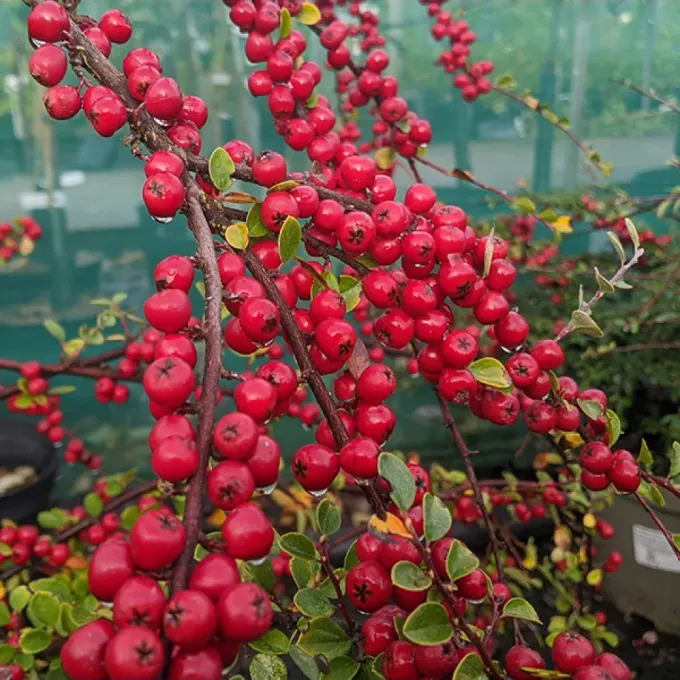
Description
Growing requirements
Cotoneaster shannanensis is a perennial woody shrub belonging to the Rosaceae family. It originates from the high-altitude terrains of the Shannan region in Tibet, which accounts for its significant hardiness and resilience to challenging climates.
The plant thrives best in well-drained, slightly alkaline, or neutral soils. It is particularly well-suited for rocky landscapes and hillside areas where soil erosion control is a secondary practical benefit of its cultivation.
Regarding climatic requirements, the species prefers cool to moderate temperatures and requires full sun exposure to maintain its dense foliage and vibrant health. Sufficient air circulation around the crown is essential to prevent physiological stress.
Agricultural management for this shrub involves regular pruning to maintain the desired shape and size, which is critical for landscaping projects where uniformity is expected. Mulching is highly recommended to regulate soil temperature.
The ornamental value of this plant is derived from its unique habit and texture, making it an excellent candidate for public parks, rock gardens, and private green spaces requiring minimal but precise horticultural maintenance.
Main diseases and pests
Common pests affecting this species include spider mites and aphids, which are particularly prevalent during hot and dry summer spells. Integrated pest management strategies are advised to maintain plant health.
Fungal diseases such as powdery mildew can become an issue if the plants are placed in areas with insufficient sunlight or poor ventilation. Removal of affected branches is standard practice to prevent the spread of the infection.