
Pink cotoneaster
Cotoneaster roseus
Description
Growing requirements
Pink cotoneaster (Cotoneaster roseus) is a deciduous shrub belonging to the Rosaceae family. Native to the mountainous regions of Central Asia, it is naturally adapted to rocky slopes and high-altitude environments, showing remarkable resilience.
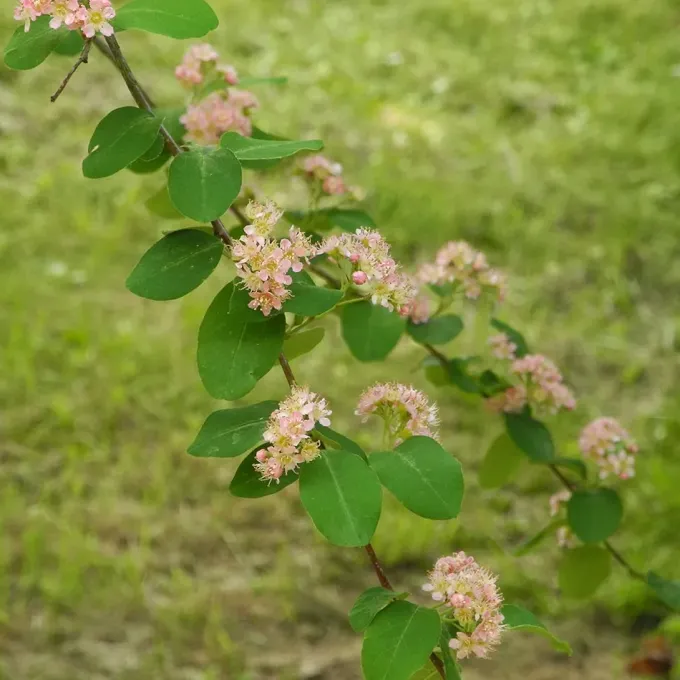
The shrub is known for its dense branching habit and attractive, pink-tinged flowers that appear in clusters. Its foliage remains lush throughout the season, making it a popular choice for structured landscape design and decorative hedges.
Regarding climatic requirements, the plant is hardy and thrives in temperate zones. It prefers full sun exposure to promote better blooming, although it can tolerate partial shade if the soil conditions are sufficiently well-drained.
Soil quality for Cotoneaster roseus should be moderately fertile with excellent drainage. The species does not tolerate waterlogged conditions, so heavy clay soils must be amended with organic matter or gravel to ensure the health of the root system.
In terms of agricultural utility, this species is highly valued for erosion control on slopes. Its strong, fibrous root system stabilizes the soil, while its aesthetic appeal and low-maintenance nature make it an excellent choice for urban greenery.
Main diseases and pests
The primary diseases affecting this crop include powdery mildew and various leaf spot fungi. These issues are often exacerbated by poor air circulation, underscoring the importance of periodic pruning to maintain the plant's structural health.
Pests that typically attack this shrub include aphids and scale insects. These pests feed on the sap of young stems and leaves, causing wilting and stunted growth, which can severely impact the visual quality of the specimen.
Integrated pest management (IPM) is the recommended approach for maintaining healthy shrubs. This involves monitoring the plant for signs of infestation and using biological controls or selective insecticides when necessary to minimize environmental impact.
Regular sanitation, such as removing fallen leaves and infected branches, is essential to reduce the inoculum of pathogens. Keeping the base of the shrub clear of debris prevents the buildup of moisture-loving fungi and pests.
Effective management also requires careful fertilization. Excessive use of nitrogen-heavy fertilizers encourages rapid, succulent growth that is more susceptible to aphid attacks and fungal infections, so a balanced nutrient profile is preferred.