
Cotoneaster rehderi
Cotoneaster rehderi
Description
Growing requirements
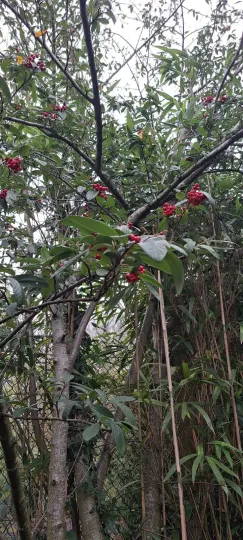
Cotoneaster rehderi is a deciduous shrub belonging to the Rosaceae family, native to the mountainous regions of Western China. It is highly valued for its elegant, arching growth habit and attractive seasonal foliage.
In terms of botany, this shrub can grow up to 3–4 meters in height, featuring dark green, elliptic leaves and small, showy flowers followed by ornamental berries that provide interest in the late autumn months.
Regarding climatic requirements, the plant prefers sunny to partially shaded locations and is hardy enough to survive in temperate zones if protected from harsh, desiccating winds that can damage young branches.
The soil should be well-drained and neutral to slightly alkaline. The species thrives in soils that allow good air circulation around the roots; therefore, waterlogging must be avoided at all costs during the rainy season.
Cultivation practices involve annual pruning to maintain the desired shape and size, which also promotes better airflow through the canopy and encourages the development of new, healthy shoots each spring.
Main diseases and pests
Common fungal diseases such as leaf spot and various types of blight can occur if the plant is grown in overly humid conditions or if the planting site lacks proper ventilation, necessitating chemical intervention.
Pest pressures often involve aphids and spider mites, which can infest the tender tips of the branches, causing leaf discoloration and inhibiting the plant's overall growth potential during peak seasons.
Integrated pest management, including the use of horticultural oils and systemic insecticides, is recommended for effectively controlling outbreaks while minimizing the impact on beneficial garden insects.
Sanitation practices, such as the prompt removal and disposal of infected plant debris, are critical to preventing the overwintering of fungal spores and common garden pests within the foliage.
Adequate spacing between individual shrubs in a hedge or landscape grouping is a preventive measure that significantly lowers the risk of spreading pathogens across the planting area.