
Cotoneaster pseudomultiflorus
Cotoneaster pseudomultiflorus
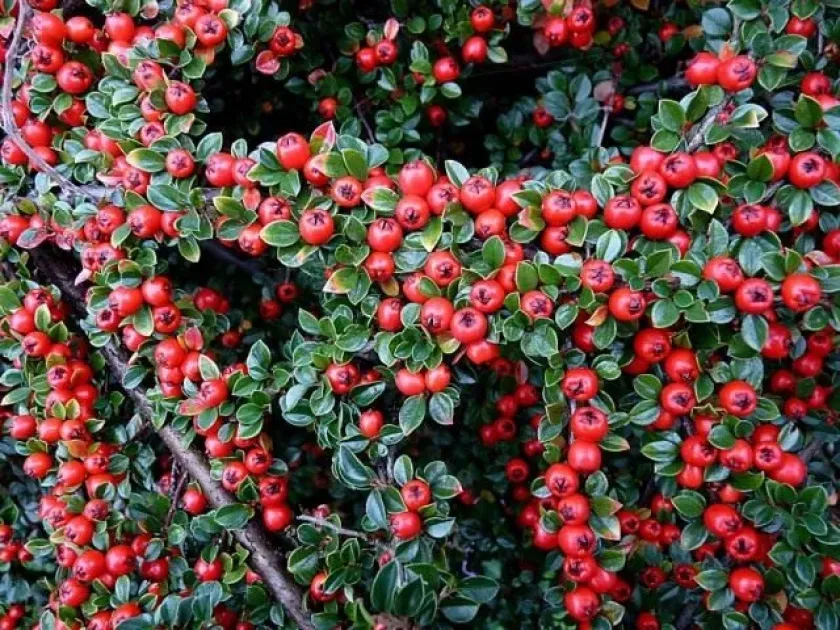
Description
Growing requirements
Cotoneaster pseudomultiflorus is a deciduous shrub species belonging to the Rosaceae family. Native to the mountainous regions of Central Asia and Western China, it is highly regarded in horticulture for its resilience and aesthetic appeal during the flowering and fruiting stages.
The plant thrives in temperate climates, showing significant tolerance to both cold winters and dry periods. It is undemanding regarding soil composition, provided the medium is well-drained. It prefers neutral to slightly alkaline soils, which are typical of its natural habitat in rocky limestone areas.
Full sun is the ideal requirement for optimal growth and fruit production. While the shrub can tolerate partial shade, insufficient light levels may result in leggy growth and reduced density, which diminishes its ornamental potential in managed landscapes.
Agrotechnical practices involve standard maintenance such as spring pruning to remove dead wood and encourage vigorous new growth. The shrub responds exceptionally well to shearing, making it a popular candidate for formal hedges, architectural shapes, and erosion control on slopes.
Water management is critical during the establishment phase; however, once mature, the plant exhibits remarkable drought resistance. Over-watering must be strictly avoided as it can lead to root rot and other physiological imbalances, particularly in dense, poorly drained soils.
Main diseases and pests
Like many species in the Rosaceae family, this plant can be susceptible to fire blight and various fungal leaf spot diseases. Ensuring adequate airflow through proper spacing and regular thinning of the branches is the most effective preventative measure against these infections.
Common insect pests include aphids and scale insects, which can affect young shoots and foliage. Integrated pest management, focusing on early detection and the use of horticultural oils or systemic insecticides, is recommended to keep the plants healthy and vigorous throughout the growing season.