
Cotoneaster pseudoambiguus
Cotoneaster pseudoambiguus
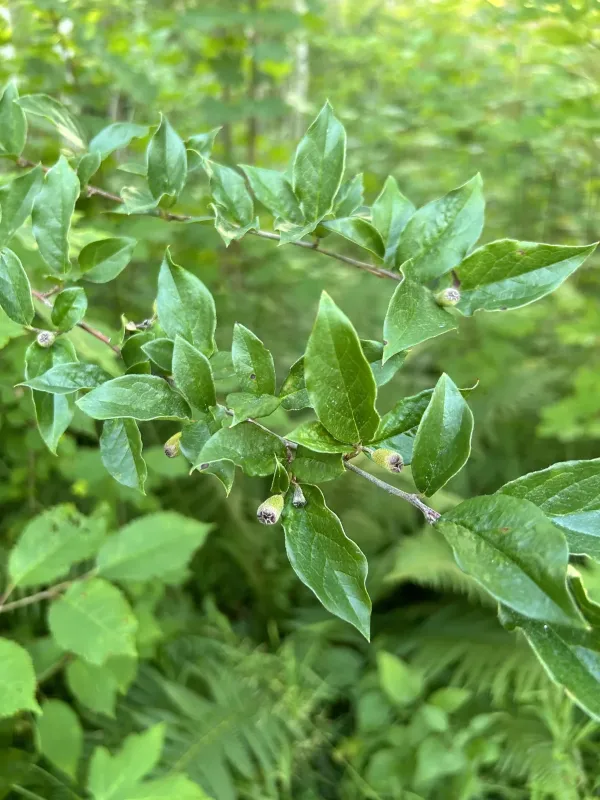
Description
Growing requirements
Cotoneaster pseudoambiguus is a member of the Rosaceae family, recognized for its ornamental value and hardiness in diverse ecological settings within its native Asian range.
This shrub thrives in full sun but maintains a healthy growth habit even in partial shade, making it a versatile choice for various locations in a garden or public park.
The plant performs best in well-draining, nutrient-rich soils with a neutral pH level. It is highly sensitive to waterlogged conditions, which necessitates proper soil drainage implementation.
With its moderate growth rate, the plant is frequently utilized in ecological landscaping for soil stabilization on slopes and for constructing durable, low-maintenance living hedges.
It is remarkably drought-tolerant once established, requiring supplemental irrigation only during prolonged dry spells or in the first year after planting to ensure deep root development.
Main diseases and pests
Typical pest concerns for this species include aphids and scale insects, which can weaken the shrub by feeding on plant sap if not managed through early detection.
Fungal diseases like leaf spot and fire blight are possible risks, particularly in regions with high precipitation or poor airflow within the shrub's foliage.
Cultural control measures, such as providing adequate spacing between plants and performing regular pruning, are essential to maintain canopy health and reduce disease pressure.
Removing infected or damaged branches promptly prevents the spread of pathogens, ensuring that the plant remains vigorous throughout the growing season.
Chemical intervention, if necessary, should be targeted and performed after identifying the specific pest or pathogen to preserve beneficial local insect populations.