
Creeping cotoneaster
Cotoneaster prostratus
Description
Growing requirements
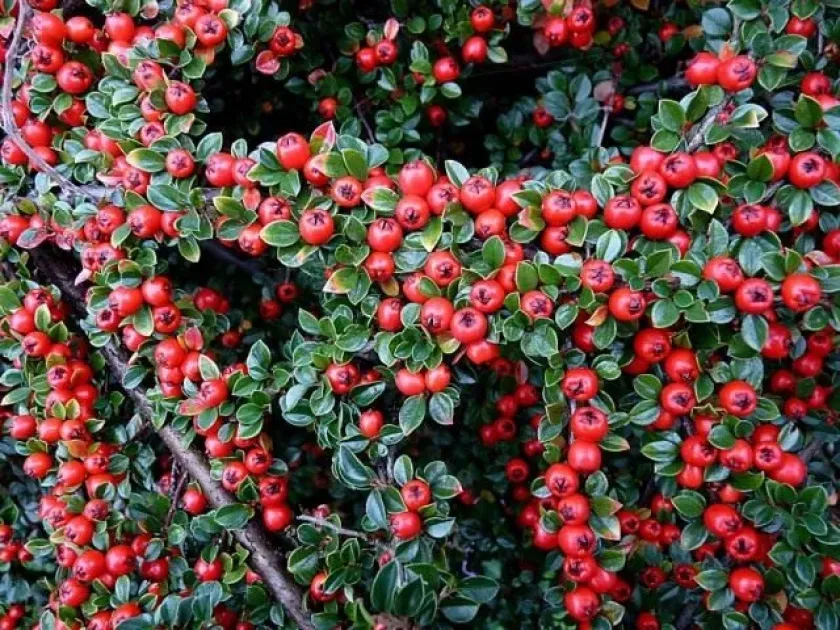
Creeping cotoneaster is a prostrate, semi-evergreen shrub belonging to the Rosaceae family. This species is highly valued in horticulture for its spreading habit, which allows it to form dense, low-growing mats of foliage.
Originating from the Himalayan regions, this plant is naturally adapted to mountainous environments. This heritage grants it significant hardiness, allowing it to thrive in various climates across the globe when properly positioned.
The plant performs best in well-drained soil with a slightly alkaline to neutral pH. It is notably tolerant of poor, rocky soils, making it an excellent choice for erosion control on slopes or as a groundcover in rock gardens.
Regarding light requirements, the shrub prefers full sun to partial shade. Exposure to direct sunlight is essential for optimal fruit production and the development of the characteristic dense foliage structure.
General care involves basic maintenance such as removing dead wood and occasional fertilization. It is considered a low-maintenance plant, suitable for large-scale landscaping projects that require minimal human intervention once established.
Main diseases and pests
The most common disease affecting this species is fire blight, a bacterial infection that can cause branches to wither and die back. Prompt pruning of infected parts is necessary to prevent the spread of the bacteria throughout the plant.
Aphids and spider mites are among the most frequent pests. These insects can cause curling of leaves and stunted growth, especially during hot and dry summer conditions when the plant's natural defenses may be weakened.
To control pest outbreaks, gardeners should use appropriate horticultural oils or systemic insecticides. Integrated Pest Management (IPM) practices are recommended to reduce the reliance on harsh chemicals in the landscape.
Root rot is another potential threat caused by waterlogged soil. Ensuring that the planting site has excellent drainage is the most effective preventative measure against this fatal condition.
Regular monitoring of the foliage and stems is crucial for early detection of any health issues. Maintaining optimal spacing between plants helps ensure good airflow, which is a key factor in preventing moisture-related fungal diseases.