
Cotoneaster perpusillus
Cotoneaster perpusillus
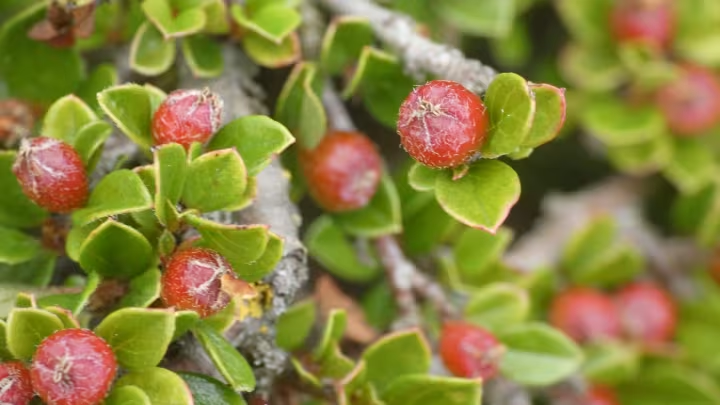
Description
Growing requirements
Cotoneaster perpusillus is a low-growing, deciduous shrub belonging to the Rosaceae family. Known for its prostrate and spreading habit, it creates an elegant, dense green mat that is highly valued in modern horticultural practices and garden design.
Originating from the mountainous regions of China, this plant has adapted to diverse environments, making it a reliable choice for landscaping. It thrives best in well-draining soils with a moderate fertility level and a neutral to slightly alkaline pH range.
The shrub demonstrates excellent sun requirements, preferring full sun exposure to maintain its compact form and vibrant foliage color. While it tolerates partial shade, its most prolific growth and deep autumnal colors are best achieved in open, bright locations.
Regarding climate adaptation, this species shows strong resilience to various temperature fluctuations. It requires moderate watering during dry spells, especially while establishing, though mature plants exhibit significant drought tolerance once deep-rooted.
In terms of agricultural and horticultural use, it is primarily chosen for slope stabilization, rock gardens, and low-maintenance borders. Its dense root system and overlapping branches effectively bind soil, preventing erosion while naturally suppressing unwanted weeds.
Main diseases and pests
The primary threats to the health of Cotoneaster perpusillus include fungal issues like powdery mildew and fire blight. Ensuring adequate spacing between plants and maintaining proper air circulation is essential for mitigating the risk of these diseases.
Insects such as aphids, scale insects, and spider mites represent common biological challenges for this shrub. Integrated pest management strategies, including monitoring and the use of targeted insecticides, are recommended when infestations occur.
Root rot remains a concern, particularly in heavy or poorly drained soils where water stagnation happens. Improving soil structure with organic amendments or grit helps to prevent the development of anaerobic conditions that favor root pathogens.
Sanitation practices, such as removing dead or dying branches, serve as a critical defense against the spread of pests and diseases. Regular pruning maintains the plant's vigor and limits the availability of sites where pathogens might overwinter.
Balanced nutrition through controlled-release fertilizers supports overall plant health, making it less susceptible to abiotic stress. Proper maintenance of soil nutrient levels enhances the shrub's natural resistance to environmental pressures throughout the season.