
Silver-leaf cotoneaster
Cotoneaster pannosus
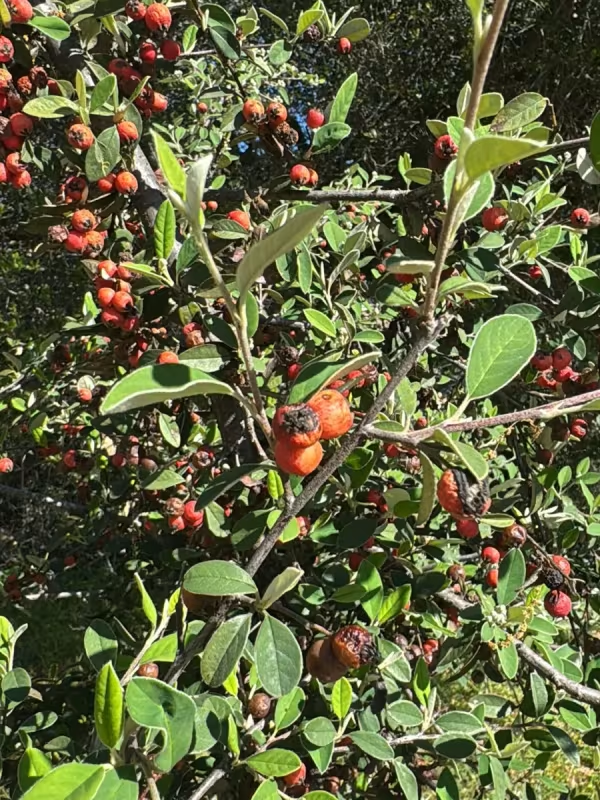
Description
Growing requirements
The Silver-leaf cotoneaster (Cotoneaster pannosus) is an evergreen ornamental shrub belonging to the Rosaceae family. Native to China, this species is widely recognized for its elegant, arching branches and silver-toned foliage.
This shrub thrives in full sun but can tolerate partial shade. It requires well-drained, fertile soil to ensure robust root development. Waterlogging must be avoided, as it can lead to root decay and overall decline of the plant's health.
Regarding climate, the species is relatively hardy but benefits from protection against harsh winds in colder regions. Once established, it exhibits a notable tolerance to dry spells, making it a reliable choice for sustainable garden design.
Cultural practices focus primarily on pruning. The plant responds exceptionally well to trimming, which encourages a denser habit and allows for precise shape maintenance in hedge configurations or decorative topiary.
In terms of usage, it serves as an excellent architectural plant in modern landscaping. Its ability to produce clusters of small white flowers followed by persistent red berries provides year-round interest for both gardeners and local wildlife.
Main diseases and pests
Common pathological threats include fungal infections such as powdery mildew, which thrives in stagnant air and high humidity. Improving airflow through correct spacing and thinning out inner branches helps minimize these risks significantly.
Insect pests, particularly aphids and scale insects, are frequent visitors that feed on the sap of young stems. Integrated pest management, including the use of neem oil or targeted insecticides, is recommended to keep the population under control without harming beneficial garden insects.