
Dark cotoneaster
Cotoneaster obscurus
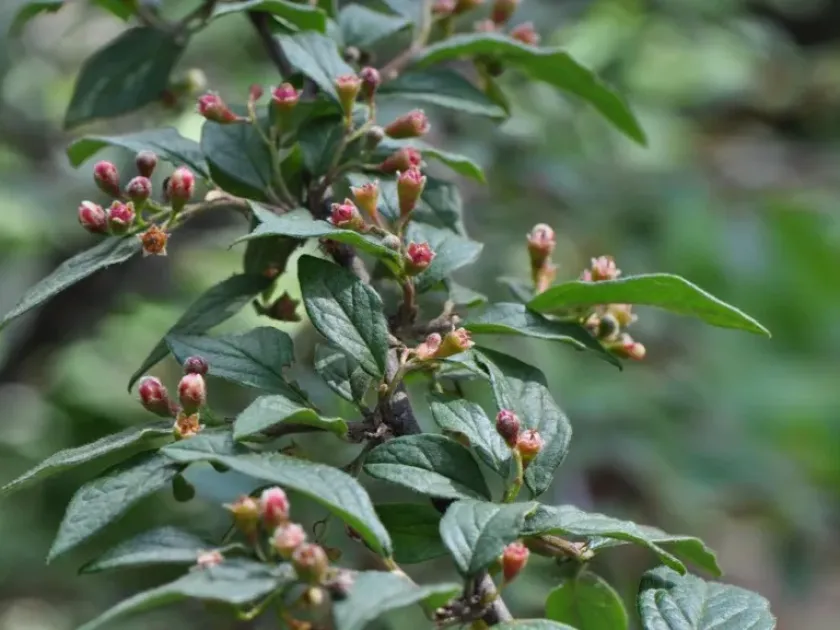
Description
Growing requirements
The dark cotoneaster (Cotoneaster obscurus) is a deciduous shrub belonging to the Rosaceae family. Native to western China, it is well-regarded in horticulture for its resilience and structural appeal in landscape designs.
The plant thrives in full sun but maintains a healthy appearance in partial shade. It is highly adaptable to various climatic zones, demonstrating remarkable cold tolerance during winter months, which makes it a staple for temperate gardens.
Regarding soil, Cotoneaster obscurus prefers well-drained, fertile soil types. While it can survive in poorer conditions, incorporating organic matter into the soil profile during planting significantly enhances its overall growth and vigor.
Agricultural practices for this species focus on initial irrigation until the plant is established. Once mature, it develops deep root systems that provide excellent drought resistance, reducing the need for constant maintenance.
Its primary use is in ornamental landscaping, where it serves as a versatile plant for hedging, slope stabilization, and winter interest due to its attractive, dark red to black fruits that persist into the colder season.
Main diseases and pests
Common pathological threats include fungal infections such as leaf spot and fire blight. Ensuring adequate air circulation between plants is a primary preventative measure that significantly reduces the occurrence of these infections.
Insect pests, such as scale insects and aphids, are known to target young shoots. Integrated pest management strategies, involving both biological controls and targeted chemical treatments, are recommended for long-term health.
Monitoring the plant for signs of spider mite activity is essential during dry, hot weather. These pests can rapidly affect foliage color and overall vitality if left untreated by regular rinsing or acaricides.
Pruning plays a critical role in disease prevention. By removing dead or crossing branches, gardeners maintain the internal structure of the shrub, which is vital for exposing the plant to beneficial sunlight and air movement.
Soil management, including proper mulching, prevents soil-borne pathogens from splashing onto the lower leaves. Maintaining a healthy growing environment remains the most effective defense against the wide range of potential plant threats.