
Cotoneaster nummularius
Cotoneaster nummularius
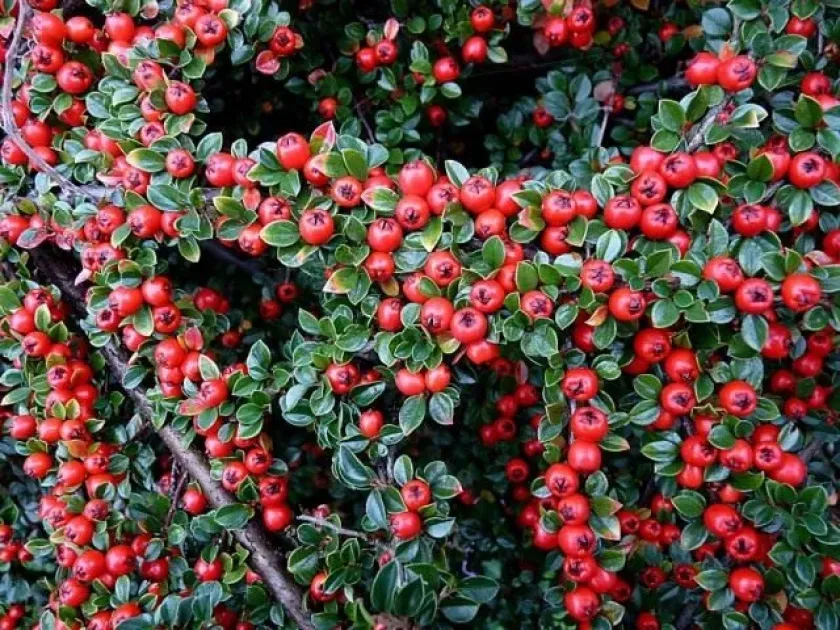
Description
Sowing dates
Propagation of Cotoneaster nummularius is primarily achieved through seeds or softwood cuttings. Seeds possess a dormant embryo and require a cold stratification process lasting several months to ensure successful germination.
When propagating by cuttings, semi-hardwood stems are collected during mid-summer. These cuttings should be kept in a humid environment with well-draining substrate to stimulate root development before the onset of autumn.
Seed sowing is typically performed in outdoor nursery beds during autumn, allowing natural winter temperatures to break seed dormancy. Seedlings usually emerge in the following spring season.
Young plants are kept in a nursery setting for at least two seasons to develop a robust root system. Proper spacing in the nursery is essential to ensure adequate airflow and prevent the development of damping-off diseases.
Once the shrubs reach a sufficient size, they are transplanted to their permanent location. Early spring or autumn are the optimal times for transplanting to avoid heat stress.
Growing requirements
Cotoneaster nummularius is a hardy shrub within the Rosaceae family, widely known for its exceptional drought tolerance. It is native to rocky and mountainous regions, ranging from the Caucasus to parts of Central Asia.
The shrub thrives in full sun, which is necessary for its optimal growth, dense foliage development, and prolific production of decorative berries. It can tolerate partial shade, but growth rates and berry production may be lower.
Soil requirements are relatively modest; the plant prefers well-draining, slightly alkaline to neutral soil. It is highly intolerant of waterlogged conditions, which can quickly lead to root rot.
This species is highly valued for its tolerance to environmental stressors, including urban air pollution and wind. This makes it an ideal choice for highway landscaping and municipal park designs.
Regular maintenance involves light pruning to manage the shape and size of the shrub. Because it responds well to shearing, it is frequently used to create dense hedges or as a groundcover on slopes to prevent erosion.
Main diseases and pests
Aphids are the most common pests affecting this species, particularly during the tender growth stages in late spring. Heavy infestations can weaken the plant and encourage sooty mold growth.
Scale insects can also be problematic, attaching themselves to branches and stems. These pests are often difficult to spot until significant damage, such as yellowing leaves or stunted growth, becomes apparent.
Fungal diseases like leaf spot and powdery mildew are common in environments with high humidity and poor air circulation. Proper pruning to open the center of the canopy helps significantly in disease prevention.
Fire blight is a serious bacterial threat for many members of the Rosaceae family. While some Cotoneaster species show resistance, monitoring for wilting or blackened twigs is crucial for early detection.
Effective pest and disease management relies on cultural practices such as removing dead branches and avoiding overhead irrigation, which keeps the foliage dry and prevents pathogen spread.