
Shiny cotoneaster
Cotoneaster nitidifolius
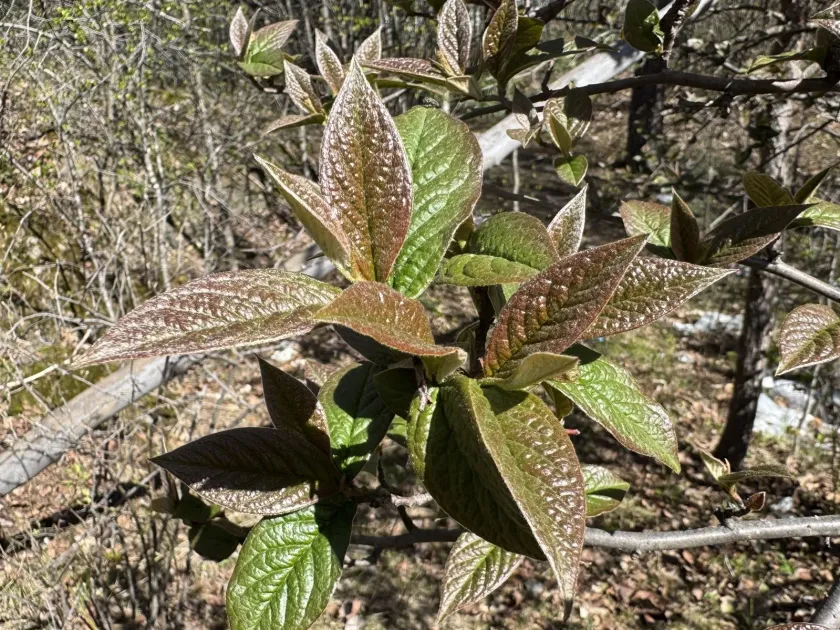
Description
Growing requirements
The Shiny cotoneaster (Cotoneaster lucidus) is a deciduous shrub belonging to the Rosaceae family. Native to regions of East Siberia and Northern China, this plant is widely appreciated for its hardiness and ornamental appeal.
This species thrives in a variety of climates, exhibiting excellent cold resistance. It is well-suited for urban environments due to its high tolerance to air pollution and its ability to grow in both full sun and partial shade positions.
Regarding soil requirements, it is adaptable but prefers well-drained loams. While it can survive on poorer soils, a neutral to slightly alkaline pH is ideal for promoting vibrant, glossy foliage and healthy root development.
In agricultural and landscaping contexts, it is primarily used for hedging and borders. Its rapid growth rate and tolerance for frequent pruning make it an ideal candidate for dense screening in both private gardens and public parks.
Standard care involves regular pruning to maintain shape, moderate fertilization during the growing season, and occasional watering for young shrubs. Once established, the root system is robust and requires minimal intervention.
Main diseases and pests
While generally resilient, Shiny cotoneaster is susceptible to certain pathogens if environmental conditions are poor. Fungal diseases such as powdery mildew or fire blight can occur in stagnant, overly humid conditions.
Common pests include aphids and mites, which primarily target young, succulent growth during the spring flush. Infestations can lead to curled leaves and reduced aesthetic value if left unmanaged.
Control strategies involve the application of appropriate systemic fungicides for fungal issues and insecticides for aphid management. Early detection is key to preventing widespread damage within a hedge.
Sanitation practices, such as removing fallen leaves and pruning out dead wood, are essential for disease prevention. Maintaining good air circulation within the shrub canopy significantly decreases the risk of infections.
Sustainable pest management should prioritize environmental safety. Integrated pest management (IPM) practices, such as encouraging natural predators, are highly effective in maintaining a healthy hedge over the long term.