
Cotoneaster nitens
Cotoneaster nitens
Description
Growing requirements
Cotoneaster nitens, commonly known as glossy cotoneaster, is a deciduous shrub belonging to the Rosaceae family. Native to China, this plant is widely appreciated in both public and private horticulture for its dense growth habit and elegant, shiny foliage. It is an ideal candidate for creating formal landscaping elements.
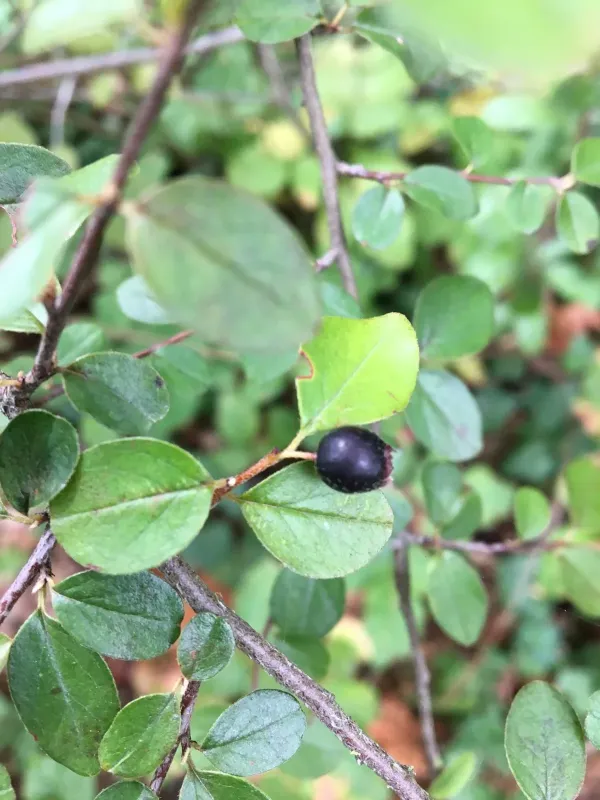
The botanical profile of the plant is distinguished by its spreading branches and small, ovate leaves that turn deep reddish-purple in the autumn. The small pinkish flowers attract pollinators, while the glossy black berries, which appear later in the season, remain on the branches throughout the winter, providing a vital source of food for birds.
Regarding soil requirements, the species is highly adaptable, thriving in most well-drained soil types. While it prefers fertile loams, it can tolerate nutrient-poor soils provided they are not excessively waterlogged. Consistent moisture is required during the establishment phase, after which the shrub exhibits excellent drought tolerance.
Cotoneaster nitens is exceptionally hardy and performs well in diverse climate conditions. It prefers full sun to partial shade, which encourages the development of a dense, uniform crown. In regions with harsh winters, the shrub typically remains undamaged, making it a reliable choice for cold-climate gardening.
Its primary agricultural and ornamental use is in the creation of durable, sheared hedges and border screens. Due to its dense structure, it effectively serves as a noise reduction buffer in urban areas. Furthermore, its extensive root system is beneficial for soil stabilization on embankments and slopes.
Main diseases and pests
Fusarium wilt is a primary health concern for this species, characterized by the sudden wilting of branches. Effective management involves the removal and destruction of infected material and the application of systemic fungicides to prevent the spread of the pathogen within the plant vascular system.
Aphids are the most common pests that affect the succulent new growth of the plant. Their feeding activity can cause leaf curling and stunt overall growth. Frequent monitoring and the timely application of environmentally safe insecticides are recommended to maintain plant health during the growing season.
Spider mites may also infest the shrub, especially during prolonged periods of hot and dry weather. This pest is often identified by fine webbing on the underside of leaves. Regular misting and the use of appropriate acaricides are effective strategies for mitigating mite populations.
Fire blight is another significant bacterial disease that can threaten the longevity of the shrubs. Given its high rate of transmission, rigorous sanitation, including disinfecting pruning tools after every cut, is essential to stop the spread of bacteria through the hedge line.
Overall plant vigor is the best defense against pests and diseases. By providing balanced mineral nutrition and avoiding excessive nitrogen, which can lead to soft, vulnerable tissue growth, growers can ensure the long-term health and aesthetic appeal of their Cotoneaster nitens plantings.