
Black cotoneaster
Cotoneaster niger
Description
Sowing dates
Propagation of Cotoneaster niger can be achieved through seeds or vegetative methods like cuttings. Seeds require a period of cold stratification for at least three months to ensure successful germination in the spring.
For seed sowing, use a well-drained, lightweight soil mixture. Place seeds at a shallow depth of approximately 1–2 centimeters and keep the soil consistently moist until the seedlings emerge.
Softwood cuttings are generally taken in mid-summer. Treating the base of the cuttings with a rooting hormone increases the success rate significantly when placed in a greenhouse environment.
Young plants require careful attention during their first two growing seasons. Ensure they receive adequate water and protection from harsh midday sun until their root systems are fully established.
When planting as a hedge, space the shrubs 50 to 80 centimeters apart to allow sufficient airflow while achieving a dense, structural look as they mature.
Growing requirements
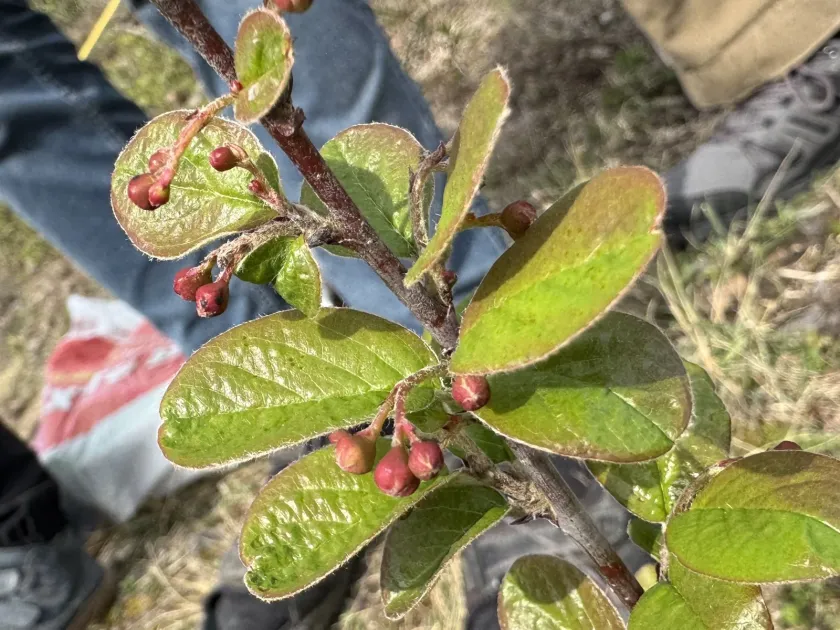
The black cotoneaster, a member of the Rosaceae family, is a deciduous shrub known for its high adaptability and minimal maintenance requirements in various climates.
The plant thrives in well-drained, moderately fertile loamy soils. While it prefers neutral to slightly alkaline soil, it can tolerate a range of conditions provided that the soil does not hold excessive moisture.
Full sun is necessary for the plant to achieve its maximum ornamental potential. Sufficient light exposure results in a denser growth habit, vibrant foliage, and a more abundant production of berries.
This species is highly drought-tolerant once established, owing to its deep and extensive root system. It also exhibits high tolerance to urban pollution, making it an excellent choice for street landscaping.
Maintenance is straightforward, involving occasional pruning to maintain shape and size. Fertilization is generally not required if the soil is healthy, but a balanced fertilizer in spring can boost annual growth.
Yield
The fruit of the black cotoneaster is a small, black pomaceous berry with a matte, glaucous finish. While not traditionally harvested for large-scale food production, they provide significant aesthetic value.
Peak fruit production typically occurs once the shrub is between 8 and 12 years old. During this period, the plant produces dense clusters of berries that persist well into the late autumn.
The berries serve as a vital food source for local bird populations during the winter months, making the shrub a valuable addition to wildlife-friendly garden designs.
Proper pruning is essential to stimulate the development of younger, more productive shoots. Removing aging branches allows the plant to allocate resources toward healthier growth and better fruit yield.
In landscape management, the primary goal of the harvest-related maintenance is to preserve the form and health of the shrub rather than the extraction of its fruit for consumption.
Main diseases and pests
The black cotoneaster is generally robust, but it can be susceptible to fungal infections like Fusarium wilt if planted in waterlogged soil. Good drainage is the most effective preventative measure.
Aphids can occasionally colonize young shoots, leading to stunted leaf growth. Monitoring the plant during early spring and using insecticidal soaps can manage these infestations effectively.
Powdery mildew may occur in poorly ventilated areas with high humidity. Ensuring proper spacing between shrubs prevents the stagnant air conditions that favor fungal growth.
It is advisable to avoid planting near other Rosaceae members like apple or pear trees to prevent the cross-contamination of pests and specific plant diseases.
Regular sanitation, including the prompt removal of infected leaves or damaged branches, is the cornerstone of keeping the shrub healthy and productive for many years.