
Cotoneaster nebrodensis
Cotoneaster nebrodensis
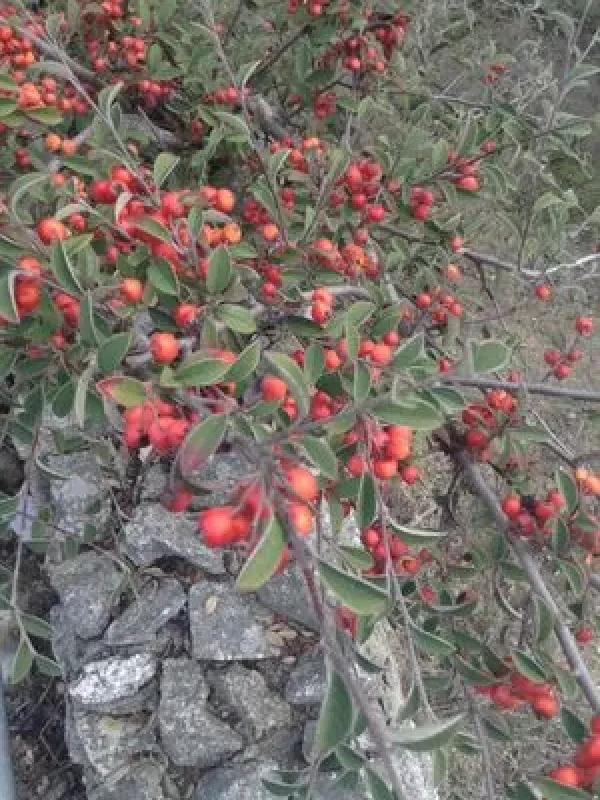
Description
Growing requirements
Cotoneaster nebrodensis, commonly known as the felted cotoneaster, is a deciduous shrub belonging to the Rosaceae family. It is distinguished by its pubescent stems and leaves, which provide a soft, greyish texture to the plant.
Native to the mountainous regions of Europe, this species is highly adapted to temperate climates. It thrives in rocky and calciferous soils, making it an excellent choice for rock gardens and slope stabilization in various landscape projects.
The plant prefers full sun to light shade and exhibits remarkable drought tolerance once established. While it can survive on poor soil, it performs best in well-drained, fertile ground where it can develop a robust root system without the risk of waterlogging.
Cultivation requires minimal intervention. Regular pruning is recommended to maintain the desired shape and density of the shrub. Because the plant responds well to trimming, it is frequently utilized for formal hedges and structural plantings.
Its high resistance to environmental pollutants makes Cotoneaster nebrodensis a valuable asset for urban landscaping. It can maintain its aesthetic appeal even in challenging conditions where other ornamental species might struggle.
Main diseases and pests
Common pests affecting this species include aphids, scale insects, and spider mites. These organisms feed on the sap of young shoots, potentially causing foliage yellowing and stunted development if left unmanaged.
Fungal diseases such as powdery mildew can occur in humid environments with poor air circulation. Symptoms include a white powdery growth on the leaves, which can reduce the photosynthetic efficiency of the plant.
Root rot is a critical threat caused by improper drainage or excessive irrigation. It is essential to ensure that the soil remains well-aerated, as stagnant water is detrimental to the long-term health of the root system.
Integrated pest management strategies are recommended, focusing on early detection and the use of targeted insecticides or acaricides when infestation thresholds are exceeded.
Sanitation practices, such as removing fallen leaves and pruning diseased branches during the dormant season, are vital to preventing disease cycles and maintaining a healthy plant structure throughout the year.