
Many-flowered cotoneaster
Cotoneaster multiflorus
Description
Growing requirements
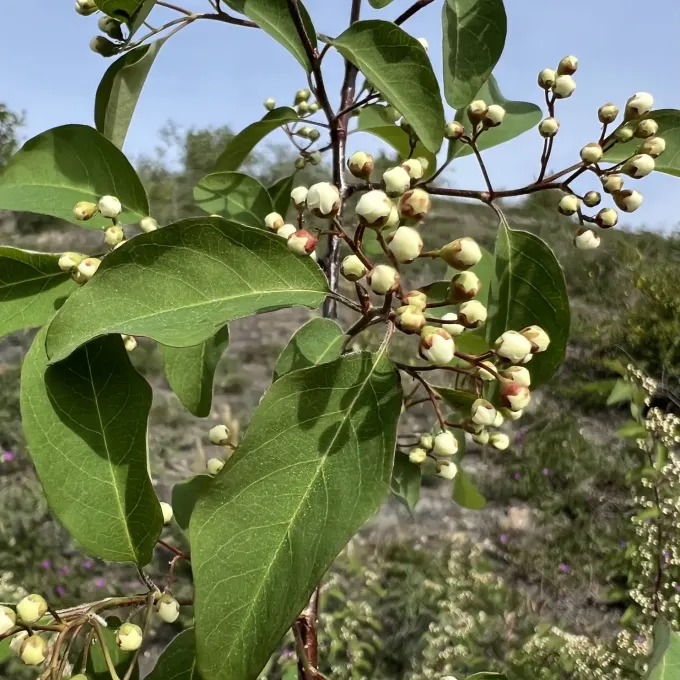
The many-flowered cotoneaster (Cotoneaster multiflorus) is a deciduous shrub belonging to the Rosaceae family. It is widely recognized for its elegant, arching branches and profuse white flowers that emerge in late spring, creating a dramatic visual impact.
Originating from Western China and Central Asia, the species is highly adapted to temperate climates. It thrives in well-drained soils and demonstrates significant resilience to urban pollution, making it an excellent choice for municipal greening projects.
The plant performs best in full sun to partial shade. While it can tolerate a variety of soil types, it shows optimal growth in deep, loamy soils with a near-neutral pH level. It is essential to ensure that the site provides adequate drainage to prevent root rot.
Standard horticultural practices for this species include maintenance pruning to remove dead or overlapping wood. This encourages vigorous growth and maintains the desired shape, as the plant can develop a wide, spreading habit if left completely unattended.
Its primary application is in decorative landscaping, including shrub borders, specimen planting, and erosion control on slopes. The bright red fruits provide winter interest and serve as a food source for local wildlife, particularly birds.
Main diseases and pests
This shrub is susceptible to common rose family pests, including scale insects and aphids. Early detection through regular monitoring allows for targeted application of horticultural oils or soaps to manage populations without chemical overload.
Fungal issues such as fire blight can occasionally affect the plant, especially in regions with high humidity. It is strictly recommended to disinfect pruning tools after each cut to prevent the transmission of pathogens between healthy and infected branches.