
Cotoneaster mucronatus
Cotoneaster mucronatus
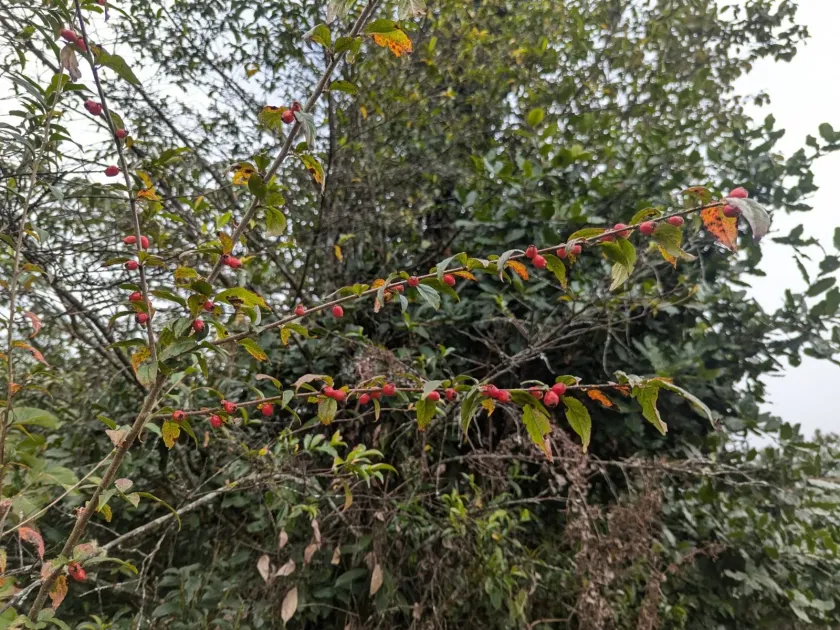
Description
Growing requirements
Cotoneaster mucronatus belongs to the Rosaceae family. This perennial shrub is highly valued for its dense foliage, elegant branch structure, and its ability to adapt to various environmental conditions.
Originating from the mountainous regions of Central Asia and China, this species has evolved to withstand diverse climates. It is frequently used in landscaping due to its hardiness and low maintenance requirements.
The plant thrives in well-drained soil types. While it tolerates poor soil conditions, it performs best in soils with moderate nutrient content and good aeration, preventing water stagnation around the root system.
Regarding light, it prefers full sun to partial shade. Exposure to direct sunlight ensures dense growth and abundant flowering, whereas heavy shade may lead to a looser, less attractive habit.
Agricultural management involves periodic pruning to maintain shape and density. It is highly drought-resistant once established, making it a sustainable choice for urban environments and xeriscaping.
Main diseases and pests
The main pathological threats include fire blight and various fungal diseases that cause leaf spot. Early detection through regular monitoring and the removal of infected branches are essential preventive measures.
Insect pests such as aphids, mites, and scale insects can affect the vitality of the plant. Integrated pest management, including the use of soaps or appropriate chemical treatments, is recommended to keep the shrubs healthy.