
Moupin cotoneaster
Cotoneaster moupinensis
Description
Growing requirements
The Moupin cotoneaster (Cotoneaster moupinensis) is a deciduous shrub belonging to the Rosaceae family. Originally native to the mountainous regions of China, it has become a popular choice for gardens due to its unique architectural form.
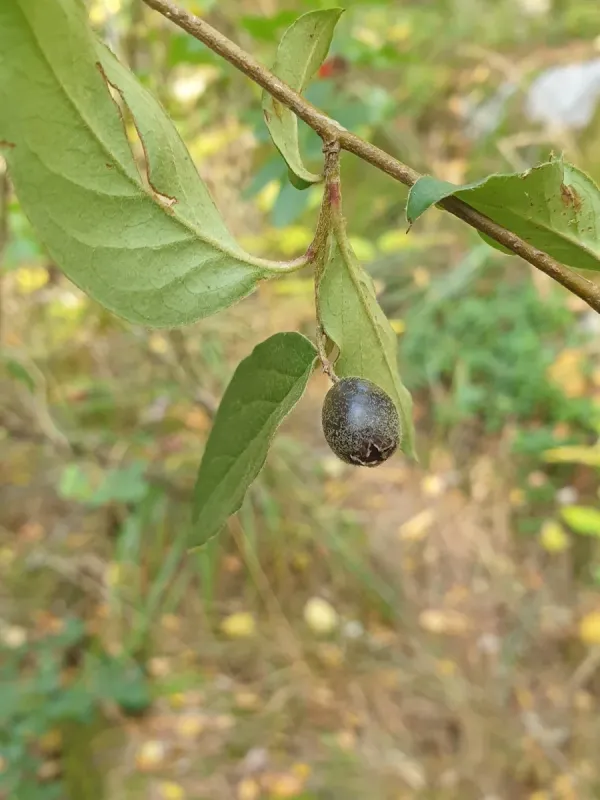
This shrub can grow up to 4 meters tall, featuring distinct glossy black fruit that persists into winter. Its foliage is deep green, offering a subtle seasonal shift as temperatures drop in late autumn.
Regarding soil requirements, the species thrives in well-drained, fertile loams. While it tolerates a variety of soil types including rocky or slightly alkaline conditions, proper drainage remains essential to prevent root rot.
As for the climate, this cotoneaster is remarkably cold-hardy. It prefers sunny positions for optimal flowering and fruit production, though it maintains a good habit even in partial shade.
Maintenance involves minimal irrigation once the plant is established. During the initial growth stages, consistent watering during dry spells ensures that the plant develops a deep, resilient root system.
Main diseases and pests
The primary diseases affecting Cotoneaster moupinensis include fungal infections like powdery mildew, particularly in environments with poor air circulation or high humidity.
Pests such as aphids and spider mites can occasionally target the tender growth in early spring. Regular monitoring and the application of horticultural oils or soaps are often sufficient to manage these populations.
Pruning is a vital aspect of pest management. Removing dense, dead, or diseased branches improves light penetration and air movement, which naturally deters many common fungal pathogens.
Avoid planting in low-lying, damp areas of the landscape. Standing water is detrimental to the health of the plant and invites rot, which can severely weaken the entire shrub structure.
Sanitation practices, such as removing fallen debris from the base of the plant in late autumn, are highly recommended to reduce the overwintering capacity of harmful pests and fungal spores.