
Small-leaved cotoneaster
Cotoneaster microphyllus
Description
Growing requirements
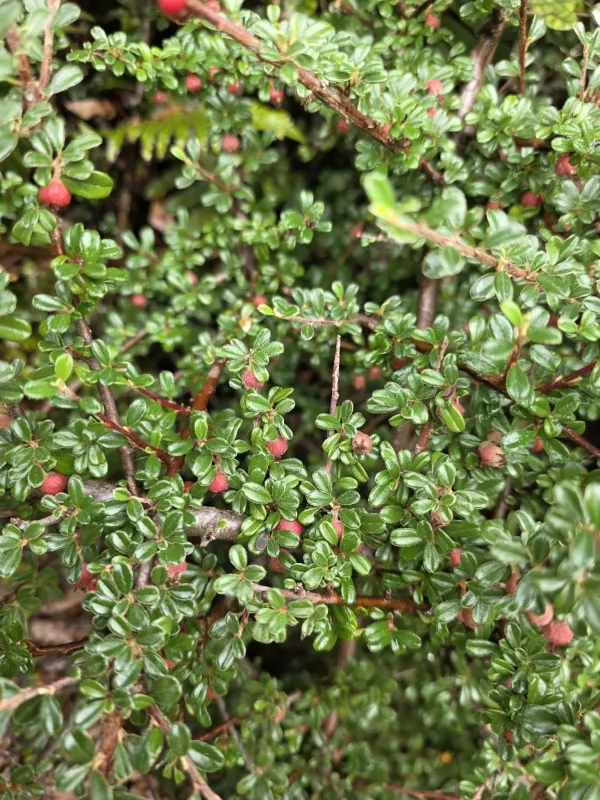
The small-leaved cotoneaster (Cotoneaster microphyllus) is a member of the Rosaceae family. It is an evergreen, prostrate shrub native to the mountainous regions of the Himalayas. Its dense, dark green, glossy leaves and small white flowers make it highly attractive for gardens.
This species thrives in full sun but maintains good health in partial shade. It is not overly demanding regarding soil type, provided the medium is well-drained and not prone to waterlogging. It performs best in neutral to slightly alkaline, fertile soils.
The cultural requirements include moderate watering during dry spells and protection from harsh, drying winds in colder climates. Since it is highly tolerant of urban pollution, it serves as an excellent plant for roadside plantings and city gardens where other species might fail.
Regular maintenance involves pruning to maintain its low-spreading shape and to encourage denser growth. As a ground cover, it can create a living carpet, suppressing weeds and providing a permanent aesthetic value throughout the seasons.
Economically and horticulturally, this plant is primarily utilized for erosion control on slopes and as a structural element in alpine gardens. Its extensive root system helps bind the soil effectively, preventing surface erosion on steep embankments.
Main diseases and pests
The plant is occasionally susceptible to fungal diseases, including powdery mildew and fire blight. High humidity combined with poor air circulation often acts as a trigger for these infections, requiring immediate attention to plant hygiene.
Pests such as aphids and scale insects are common adversaries for this shrub. They tend to cluster on new, succulent growth and can lead to chlorosis or stunted development if not managed properly through integrated pest control.
To keep the plants healthy, it is essential to ensure adequate spacing between individual shrubs. Proper pruning facilitates better airflow within the foliage, which is the most effective preventative measure against most common fungal pathogens.
Gardeners should monitor the foliage for signs of discolouration or webbing, which may indicate the presence of spider mites. Applying neem oil or specialized horticultural soaps can effectively control minor infestations without damaging the plant's health.
Overall, maintaining a robust growth environment through proper soil nutrition and adequate drainage significantly enhances the shrub's natural resistance. Healthy specimens rarely succumb to major pest or disease outbreaks in well-kept landscapes.