
Cotoneaster megalocarpus
Cotoneaster megalocarpus
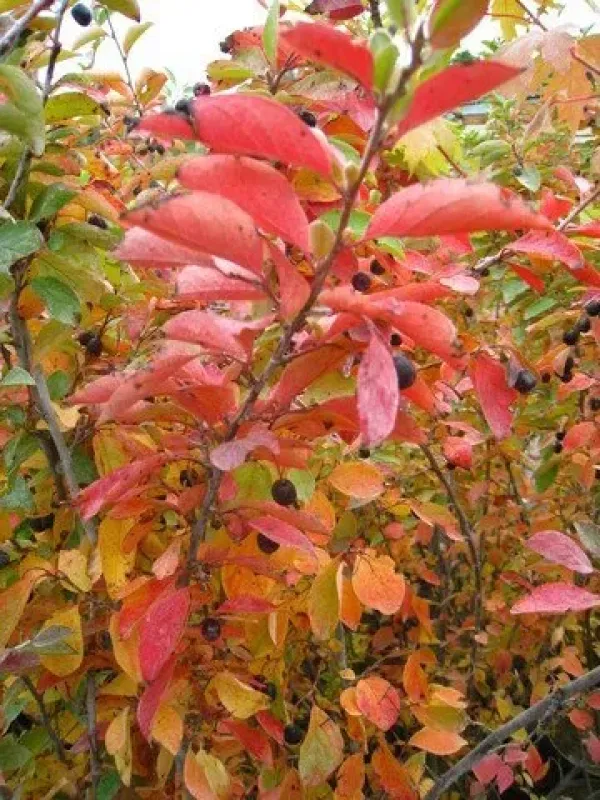
Description
Growing requirements
Cotoneaster megalocarpus belongs to the Rosaceae family. It is a deciduous shrub species known for its remarkable resilience and aesthetic value, particularly due to its large, ornamental fruits that persist throughout the season.
The species is native to the mountainous regions of Central Asia. It thrives in open environments and high-altitude habitats, showing an exceptional ability to adapt to direct sunlight, rocky terrain, and fluctuating climatic conditions typical of high-latitude or alpine environments.
Regarding soil requirements, this plant is highly versatile and capable of growing in nutrient-poor, rocky, or sandy soils. The most critical factor for successful growth is ensuring proper soil aeration and drainage, as stagnant water poses a significant risk to the plant's health.
Agronomic management of Cotoneaster megalocarpus is straightforward due to its drought resistance and hardiness. It does not require intensive fertilization or regular irrigation once the root system is established, making it a sustainable choice for landscaping and erosion control.
Its economic importance is primarily linked to ecological restoration and landscaping. The plant's deep, fibrous root structure makes it an excellent candidate for stabilizing embankments, preventing soil erosion, and enhancing the biodiversity of degraded lands.
Main diseases and pests
Common diseases affecting this species include various fungal leaf spots and root rots caused by poor drainage. To manage these threats, it is advised to maintain adequate spacing between plants to improve air circulation and prevent moisture accumulation.
Pest pressures often involve aphids, spider mites, and leaf-mining moths. Integrated pest management strategies, such as monitoring populations and using targeted biological treatments, are recommended to maintain the plant's vigor without disrupting the local ecosystem.