
Cotoneaster mairei
Cotoneaster mairei
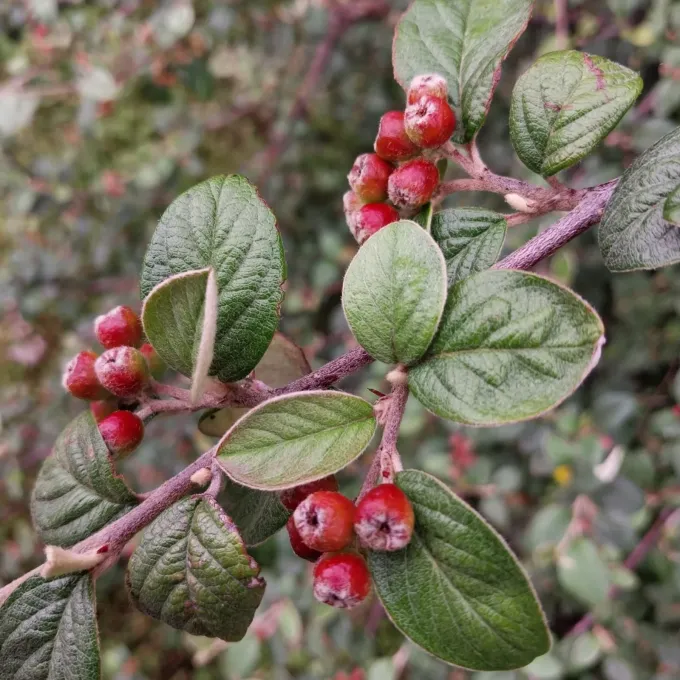
Description
Sowing dates
Propagation of Cotoneaster mairei is most commonly performed via seeds or stem cuttings. Seeds require a preliminary stratification period of 3-4 months at low positive temperatures to ensure uniform germination.
Sowing in open ground is best conducted in the autumn, allowing the seeds to undergo natural cycles of cold treatment. Seeds are typically sown at a depth of 2-3 centimeters in light, well-drained soil.
Spring cuttings are taken during the active growth phase, using semi-hardwood shoots. For successful rooting, cuttings should be kept in greenhouse conditions with high humidity levels.
When planting nursery-grown specimens with established root systems, the ideal windows are early spring or early autumn, allowing the plant to acclimate before temperature extremes.
Adequate spacing between plants is crucial, generally ranging from 1.5 to 2 meters, to accommodate the full mature spread of the shrub in future growing seasons.
Growing requirements
Cotoneaster mairei belongs to the Rosaceae family. This shrub is highly valued in horticulture for its foliage quality and persistent ornamental fruits that provide winter interest.
The culture thrives in full sun or light partial shade. While adaptable, full exposure to sunlight generally enhances flower production and the intensity of autumn foliage color.
Regarding soil, the plant prefers well-drained, fertile loams with a neutral to slightly alkaline pH. Good drainage is critical to prevent root-related issues in heavier soils.
Hardiness is a key consideration for this species. Cotoneaster mairei is generally resilient to moderate cold, though young plants may benefit from wind protection in colder zones.
Regular irrigation is essential during the establishment phase. Once mature, the shrubs exhibit high drought tolerance, making them suitable for low-maintenance landscaping.
Main diseases and pests
Like many members of the Rosaceae family, Cotoneaster mairei can be susceptible to powdery mildew. Ensuring proper air circulation within the shrub canopy is a primary preventative measure.
Pests such as aphids and spider mites can occasionally damage young foliage. Integrated pest management, including horticultural soaps or systemic insecticides, can effectively control outbreaks.
Root rot, often caused by waterlogged soil conditions, is a significant threat. Ensuring a proper drainage layer during initial planting significantly mitigates this risk.
Early spring preventative fungicide sprays help maintain overall plant health by reducing the pressure from common fungal pathogens throughout the growing season.
Regular sanitary pruning to remove dead, diseased, or crossing branches is vital. This practice promotes better airflow and light penetration, reducing the likelihood of infection.