
Shiny cotoneaster
Cotoneaster lucidus
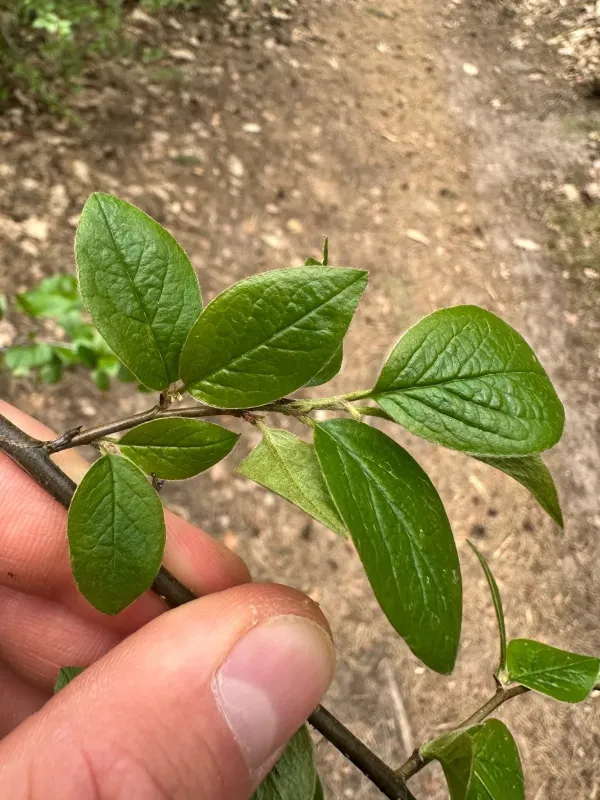
Description
Sowing dates
Seeds of the shiny cotoneaster should be sown in the autumn to undergo natural cold stratification, which is essential for successful germination.
If spring sowing is preferred, the seeds must be stratified artificially in a cool environment (0 to 5 degrees Celsius) for several months before planting.
The seeds should be planted in light, well-draining soil at a depth of approximately two to three centimeters to ensure proper moisture retention.
During the initial growth phase, it is vital to keep the soil surface moist and free of weeds to allow the young seedlings to establish their root systems.
Vegetative propagation via softwood cuttings in early summer is also a highly effective method for producing vigorous and uniform nursery stock.
Growing requirements
Shiny cotoneaster (Cotoneaster lucidus) is a member of the Rosaceae family, widely recognized for its high adaptability and ornamental dense foliage.
Originally native to Eastern Siberia and Northern China, this shrub is exceptionally winter-hardy and well-suited for various climate zones.
The plant thrives in full sun but maintains good growth in partial shade, making it a versatile choice for different types of landscape designs.
It prefers fertile, well-draining loam soils but is known to be tolerant of diverse soil conditions, provided they are not excessively waterlogged.
Regular maintenance involves pruning, as the shrub responds extremely well to shearing, making it an excellent candidate for formal hedges and topiary.
Main diseases and pests
Fusarium wilt is a primary fungal threat that can damage the plant's vascular system, often requiring the pruning of affected parts to limit spread.
Powdery mildew may occur in stagnant, humid air, necessitating better airflow management and the application of appropriate fungicidal treatments.
Pests such as aphids and spider mites can attack new growth, causing leaf deformation and weakening the plant if left unchecked during the growing season.
Integrated pest management should focus on early detection, proper irrigation, and the use of targeted insecticides only when strictly necessary.
Maintaining strong plant vigor through appropriate fertilization and regular sanitation helps the cotoneaster resist most common environmental stresses.