
Linear-leaf cotoneaster
Cotoneaster linearifolius
Description
Growing requirements
The linear-leaf cotoneaster (Cotoneaster linearifolius) is an ornamental woody shrub belonging to the Rosaceae family. Native to the mountainous regions of Central Asia, this species has evolved to thrive in harsh environments with rocky soils and significant temperature fluctuations.
When cultivating this species, it is essential to provide well-drained, fertile soil. While the shrub is remarkably drought-tolerant once established, providing consistent moisture during the first few growing seasons will ensure a strong and healthy root system development.
This plant performs best in full sun or light shade, which allows it to maintain its compact habit and vibrant foliage. It is highly valued for its slow growth rate, making it an excellent candidate for low-maintenance garden designs and formal landscape arrangements.
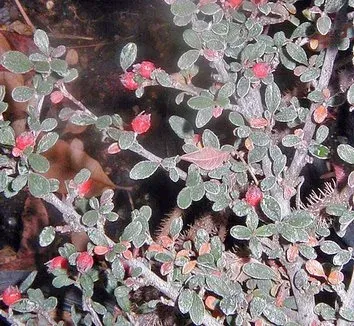
Botanically, the plant is recognized by its distinct, narrow, linear leaves. During the blooming period, it produces modest flowers that attract pollinators, followed by persistent berries that offer significant ornamental value throughout the autumn and early winter months.
Agricultural and landscaping use is primarily decorative. Due to its growth habit, the linear-leaf cotoneaster is frequently used for creating low hedging, border definition, and rock garden plantings, effectively serving as an aesthetic and erosion-control solution.
Main diseases and pests
The primary threats to Cotoneaster linearifolius include fungal issues like leaf spot and root rot, often caused by waterlogging or poor air circulation within the canopy. Improving drainage and ensuring adequate spacing between plants are the best preventive measures.
Common pests include aphids, scale insects, and spider mites, which typically target new growth. Regular inspection of the undersides of the leaves and the use of integrated pest management strategies, such as insecticidal soaps, are recommended to control potential outbreaks.