
Lijiang cotoneaster
Cotoneaster lidjiangensis
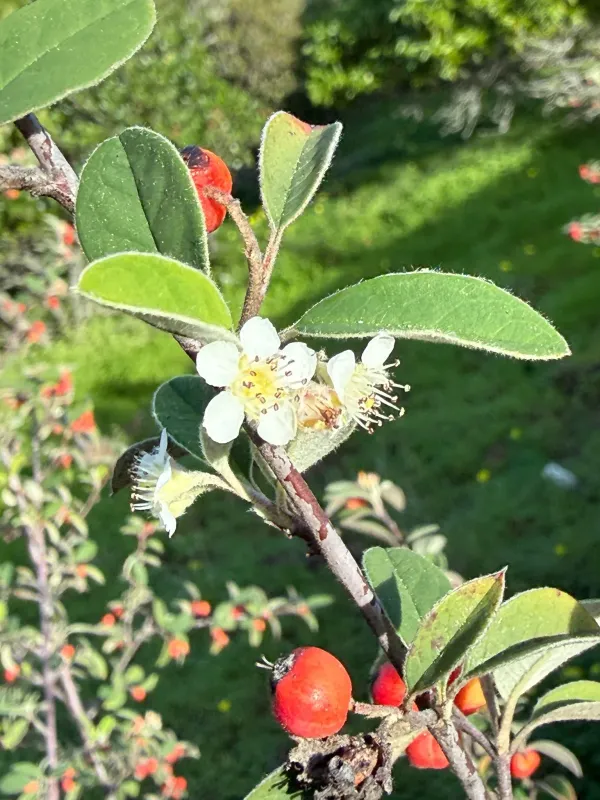
Description
Growing requirements
The Lijiang cotoneaster (Cotoneaster lidjiangensis) is a deciduous shrub belonging to the Rosaceae family. Native to the mountainous regions of China, particularly Lijiang in Yunnan province, this plant has gained popularity in temperate gardens for its elegant architectural structure.
Botanically, it is characterized by its stiff, spreading branches and small, dark green leaves that transform into vibrant autumnal colors. This makes the species an excellent choice for rock gardens, mixed borders, or low-maintenance hedging.
In terms of cultivation, it thrives best in well-drained, fertile soil with a neutral to slightly acidic pH. While it shows good resilience during dry spells once established, consistent moisture is vital during the first two years of growth to ensure successful root development.
Sunlight requirements are quite high; while it can tolerate partial shade, full sun exposure is necessary to maintain the density of its foliage and ensure profuse flowering in the spring and berry production in late summer.
Pruning is a essential part of its maintenance. It should be performed after flowering to keep the shrub compact and stimulate growth. Given its moderate hardiness, it is advisable to provide mulch in colder climate zones to protect the root ball from freezing temperatures.
Main diseases and pests
The primary threats to Cotoneaster lidjiangensis include fungal diseases such as fire blight and root rot, which are often exacerbated by poor soil drainage.
Insect pests including aphids and spider mites are known to infest the plant, causing leaf discoloration and inhibiting the normal growth cycle of the shrub.
Integrated pest management strategies are recommended, starting with the selection of healthy planting material and ensuring adequate space between plants for airflow.
Chemical control involving fungicides and insecticidal soaps may be necessary if infestations or infections are spotted during regular garden monitoring.
Maintaining a clean garden environment by clearing away leaf litter and pruning infected branches significantly reduces the recurrence of common plant pathogens.