
Loose-flowered cotoneaster
Cotoneaster laxiflorus
Description
Growing requirements
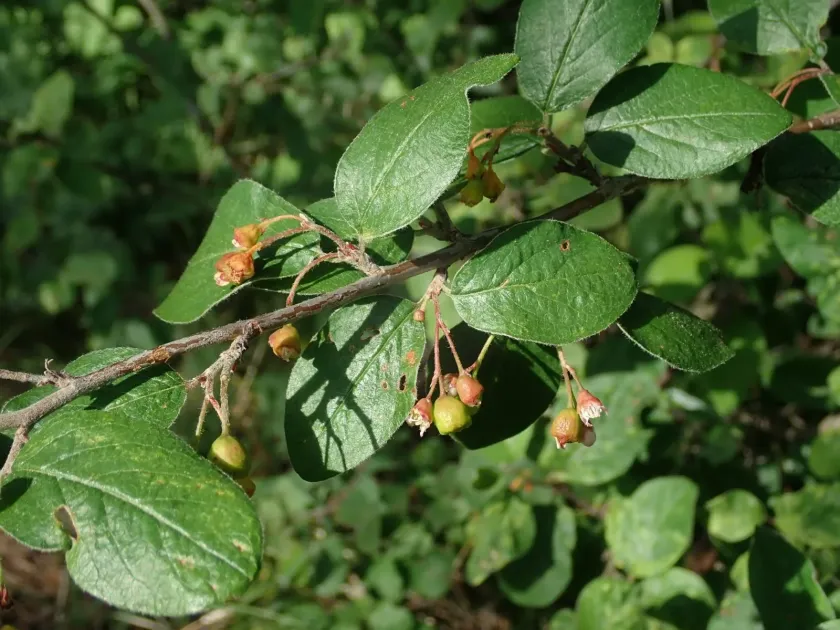
The loose-flowered cotoneaster (Cotoneaster laxiflorus) is a deciduous woody shrub belonging to the Rosaceae family. Native to the mountainous regions of Central Asia, it is well-adapted to rocky substrates and temperate climates.
This species is highly valued for its exceptional cold hardiness and drought tolerance, making it an excellent choice for ornamental landscaping in varied environmental conditions. It thrives in full sun exposure but maintains structural integrity in partial shade.
The crop is undemanding regarding soil composition, provided there is adequate drainage. Waterlogged soils are detrimental to its health, often resulting in root rot, so planting on slightly sloped terrain or sandy-loam soils is recommended.
Cultural practices include spring pruning to remove deadwood and maintain the desired shape, as the plant responds well to shearing. Fertilizer application during the early growing season supports vigorous foliage development and seasonal fruit production.
Its primary use is in landscape architecture, where it is utilized for borders, hedge formation, and soil stabilization. The plant's aesthetic value is highlighted by its dense foliage and long-lasting ornamental berries that persist into the winter months.
Main diseases and pests
Powdery mildew represents a significant threat to the plant, especially in high-humidity areas, requiring preventative measures such as thinning the canopy to increase airflow.
Aphid infestations are common during the spring, which can stunt the growth of young shoots if not managed with appropriate insecticidal treatments or biological control.
Fusarium wilt may occasionally affect established shrubs, necessitating the prompt removal and destruction of infected stems to prevent further spread within the garden.
Regular sanitation, including the removal of leaf litter and dead branches, is a critical component of pest management to minimize overwintering sites for harmful organisms.
Integrated pest management strategies should be employed, prioritizing cultural controls before resorting to chemical applications to protect the surrounding environment.