
Cotoneaster laetevirens
Cotoneaster laetevirens
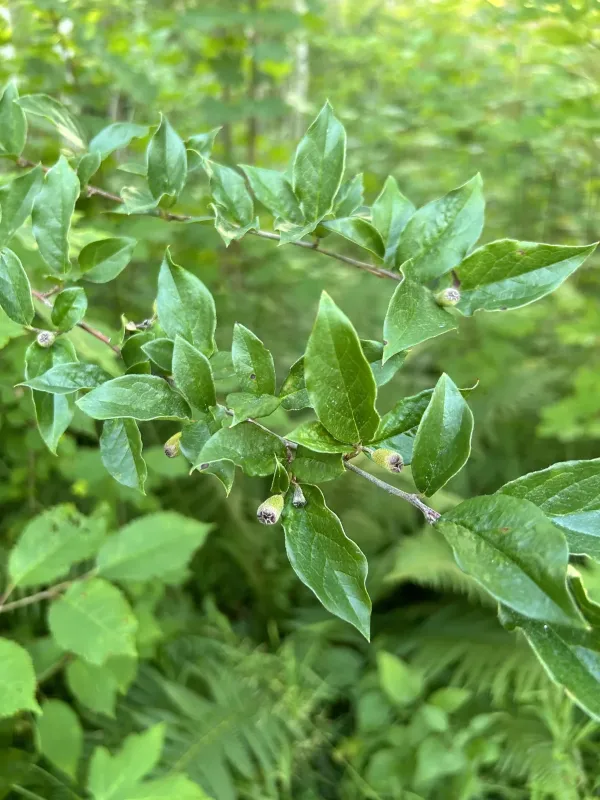
Description
Growing requirements
Cotoneaster laetevirens is a hardy deciduous or semi-evergreen shrub belonging to the Rosaceae family. It is highly valued in horticulture for its dense growth habit and vibrant green foliage, which makes it an excellent choice for borders, hedges, or foundation plantings.
Originating from parts of Asia, this shrub has become popular globally due to its remarkable adaptability. It thrives in diverse climates, showing excellent tolerance for both urban pollution and cold winter temperatures, provided the soil is not overly saturated.
The ideal planting site for this species is a sunny location, although it can tolerate partial shade with minimal loss of density. It prefers well-drained, fertile soil, though it is quite tolerant of poorer soil conditions as long as there is adequate drainage to prevent root rot.
When it comes to water requirements, established plants are notably drought-tolerant. During the first few years of growth, supplemental watering is necessary, especially during peak summer temperatures. Once fully established, the shrub requires minimal maintenance.
Routine pruning is essential for maintaining the desired shape of the shrub. Cotoneaster laetevirens responds exceptionally well to shearing, making it a favorite for formal landscaping projects where precise shapes or managed hedges are required.
Main diseases and pests
Although generally robust, Cotoneaster laetevirens can be susceptible to several diseases common to the Rosaceae family. Powdery mildew is the most frequent issue, particularly in humid environments with poor air circulation within the shrub canopy.
Pest pressures primarily include aphids, scale insects, and spider mites. These pests can weaken the plant by feeding on sap and foliage. Regular inspection of the undersides of leaves is recommended to detect these infestations before they become widespread.
For chemical control, targeted insecticides and miticides are effective. However, many growers prefer an integrated pest management (IPM) approach, utilizing natural predators or organic horticultural oils to manage populations without harming beneficial insects.
Sanitation is a key component of disease prevention. Removing fallen leaves in autumn and pruning out any dead or infected wood significantly reduces the habitat for fungal spores and overwintering pests, ensuring the health of the plant.
Maintaining a balanced feeding schedule using a slow-release fertilizer can also boost the plant's natural resistance. Healthy, well-nourished shrubs are significantly more resilient to attacks by both diseases and insect pests throughout the growing season.