
Milky cotoneaster
Cotoneaster lacteus
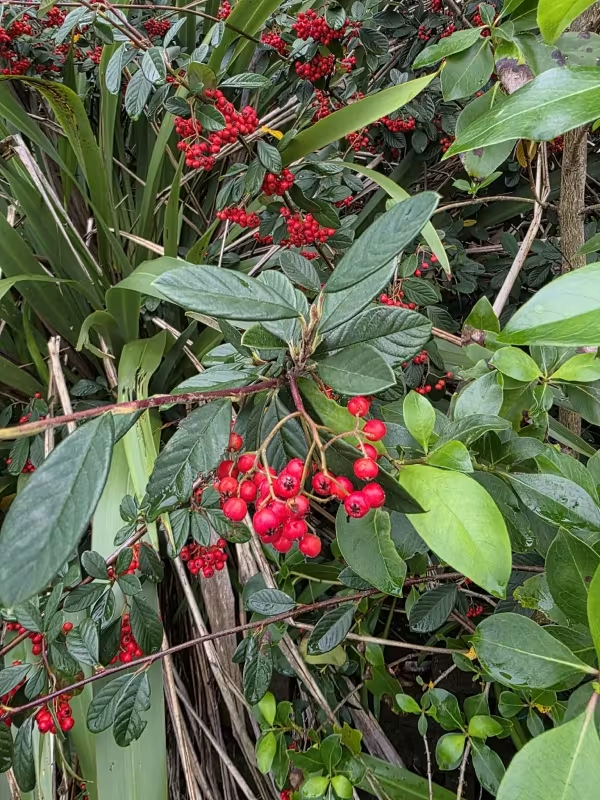
Description
Sowing dates
Seeds of the milky cotoneaster are typically sown in autumn in open ground or in spring after a preliminary stratification process. The seeds require a long period of cold temperature to break dormancy and improve overall germination rates.
For spring sowing, it is recommended to keep the seeds in a moist substrate at temperatures between 1–5 degrees Celsius for 3 to 4 months. This mimics natural conditions and helps achieve even sprouting during the spring months.
Sowing depth should be 1–2 centimeters in light, fertile soil. It is crucial to maintain consistent soil moisture until the first shoots appear, as the surface layer should not be allowed to dry out completely.
Cuttings are an alternative propagation method frequently used by nurseries. Semi-hardwood cuttings are taken in mid-summer and planted in greenhouses using rooting hormones to significantly increase the success rate of plant establishment.
Young plants require protection from direct sunlight during their first year and regular watering until their root systems are robust enough to extract moisture from deeper soil layers independently.
Growing requirements
Milky cotoneaster belongs to the Rosaceae family and is highly valued for its adaptability to urban environments. It performs best in sunny locations or partial shade, where it expresses the full beauty of its evergreen foliage.
The plant has no strict soil requirements but thrives best in well-drained, moderately moist soils. It can tolerate short periods of drought but responds positively to occasional watering during hot weather conditions.
The shrub has moderate winter hardiness and may require protection in regions with harsh winters. In temperate climates, it tolerates temperature fluctuations well but does not tolerate waterlogging around the roots, which can lead to rot.
Pruning plays a significant role in the maintenance of this shrub. Since it tolerates shearing very well, it is often used for creating dense hedges that require regular trimming to maintain the desired aesthetic shape.
Fertilizing with balanced mineral fertilizers at the beginning of the growing season is recommended. Nitrogen-based products stimulate foliage growth, while phosphorus and potassium help the plant prepare for the dormant winter period.
Main diseases and pests
The main biological threat to this species is fusarium wilt, which affects the root system under conditions of excessive moisture. Prevention involves maintaining proper irrigation schedules and ensuring excellent soil drainage.
Infestations of aphids and spider mites are common, especially during hot summer months. When these pests are detected, systemic insecticides approved for ornamental gardening should be applied to control the population.
Powdery mildew may occur when plants are spaced too closely, hindering air circulation. Regular thinning of the crown allows for better airflow, which significantly reduces the risk of fungal disease outbreaks.
Scale insects can cause serious damage to young shoots by feeding on plant sap. Regular inspection of the branches is essential to spot pest colonies early and take immediate control measures.
In cases of severe damage, infected parts of the crown should be removed, and pruning tools must be disinfected. Following good agricultural practices remains the best defense against most diseases and insect pests.