
Jurassic Cotoneaster
Cotoneaster juranus
Description
Growing requirements
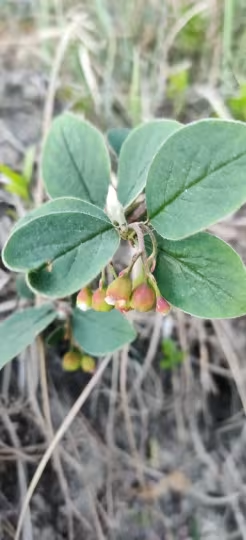
The Jurassic Cotoneaster (Cotoneaster juranus) is a deciduous shrub belonging to the Rosaceae family. Native to mountainous regions, it is adapted to rocky environments and limestone-rich soils, showcasing significant environmental resilience.
This shrub is highly valued in horticulture for its adaptability to various soil types, provided they are well-drained. It thrives best in locations with full sun to partial shade, which promotes dense foliage growth and healthy development.
Botanically, the plant is characterized by small, glossy leaves and a sprawling to upright growth habit. Its aesthetic value is enhanced by seasonal changes, including the appearance of small flowers and persistent ornamental berries that provide interest throughout the year.
Cultural requirements involve minimal maintenance, focusing primarily on occasional pruning to maintain the desired shape and size. The plant is drought-tolerant once established, although supplemental watering may be needed during prolonged dry spells to ensure optimal vigor.
In landscaping, it is used for erosion control on slopes, as a foundation planting, or as an accent in rock gardens. Its robust nature makes it an excellent choice for both commercial and residential landscape projects where low-maintenance greenery is required.
Main diseases and pests
Common pathological threats include fire blight and powdery mildew, which are often exacerbated by poor air circulation or excessive humidity. Maintaining good spacing between plants is a crucial preventative measure to reduce these risks.
Insect pests such as scale insects, aphids, and mites can occasionally infest the plant, causing foliage discoloration and stunted growth. Effective management involves using insecticidal soaps or systemic pesticides when infestations exceed acceptable levels.