
Intermediate cotoneaster
Cotoneaster intermedius
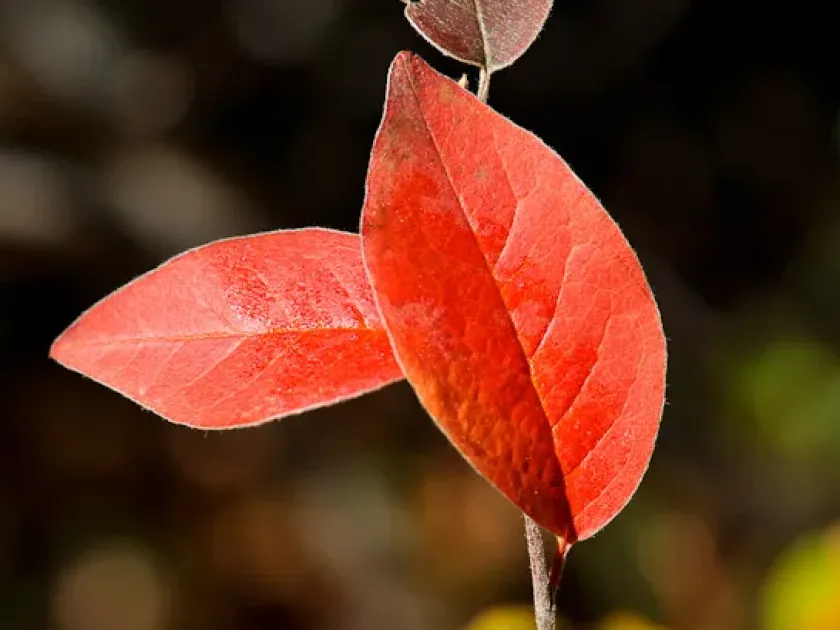
Description
Growing requirements
Intermediate cotoneaster (Cotoneaster intermedius) is a perennial ornamental shrub belonging to the Rosaceae family. It is recognized for its dense, spreading habit and its suitability for various landscaping applications due to its resilience.
Originating from mountain regions in Asia, this species has adapted to a wide range of temperate climates. Its ability to tolerate various environmental conditions makes it a popular choice for both urban and rural green spaces.
Regarding soil and site requirements, the plant thrives in well-drained loamy soils. While it can tolerate a variety of pH levels, it performs best in slightly acidic to neutral soils. It is critical to ensure proper drainage, as excessive moisture can lead to root rot.
Agronomic practices for this species focus on irrigation during the early establishment phase. Once mature, the plant is remarkably drought-tolerant, requiring minimal maintenance other than occasional pruning to maintain its shape and promote vigorous growth.
In terms of usage, the intermediate cotoneaster is primarily valued as an ornamental hedge or a groundcover. Its robust root system makes it an effective tool for soil stabilization on embankments and sloping landscapes.
Main diseases and pests
Common health issues for this shrub include fungal diseases such as powdery mildew and leaf spot. These conditions are most prevalent in areas with high humidity, stagnant air, or overcrowded planting schemes.
Pests are another concern, with aphids and scale insects being the most significant threats. These pests often colonize young shoots and leaf undersides, potentially causing leaf curling and reduced plant vigor.
To manage fungal threats, gardeners should implement a preventative spray program using suitable fungicides during the early spring. Ensuring adequate spacing between plants is also essential to promote air circulation.
Insect management requires regular monitoring and the application of appropriate insecticides when infestations are detected. Maintaining plant health through proper fertilization can also help the shrub withstand and recover from pest attacks.
Sanitation practices, such as removing fallen leaves and pruning dead or diseased wood, play a crucial role in preventing the overwintering of pathogens. Following these simple steps ensures the long-term vitality of the hedge.