
Cotoneaster integerrimus
Cotoneaster integerrimus
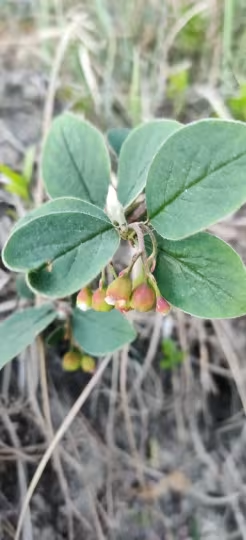
Description
Sowing dates
Cotoneaster integerrimus is primarily propagated through seeds or semi-hardwood cuttings. Seeds have a hard coat and require a cold stratification period of three to four months to improve germination rates.
For seed sowing, it is best to plant them in outdoor beds during late autumn. This allows the seeds to undergo natural winter chilling, leading to higher emergence rates once spring temperatures rise.
Vegetative propagation via cuttings is performed in mid-summer. Healthy shoots are selected, treated with rooting hormones, and placed in a sand-peat mixture under a propagation cover to maintain humidity.
Once roots are established, the young plants should be acclimatized to ambient conditions before final transplanting. The nursery stage usually lasts for one or two seasons before the plants are robust enough for permanent landscape use.
Spacing during planting is critical for long-term health. When creating dense hedges, a distance of 50 to 100 centimeters between plants is recommended to ensure proper air circulation while achieving the desired visual density.
Growing requirements
Cotoneaster integerrimus belongs to the Rosaceae family and is a deciduous shrub native to various regions in Europe and Asia. It is highly valued for its extreme hardiness and its ability to thrive in diverse climatic conditions.
The plant adapts well to most soil types, including rocky, limestone, and well-drained loamy soils. Excessive soil moisture should be avoided as it can lead to root rot, especially in poorly drained clay-heavy areas.
While the species prefers sunny locations, it exhibits a good tolerance for partial shade. Its high resistance to urban pollution and wind makes it an excellent choice for city parks, roadsides, and exposed garden sites.
Cultural maintenance is straightforward, focusing on occasional weed control and light organic fertilization. Mulching around the base of the plant helps retain moisture during dry summers and suppresses the growth of competitive weeds.
Pruning is essential for maintaining a tidy appearance. The shrub responds well to shaping, which makes it ideal for formal hedges or topiaries. Regular trimming also encourages vigorous new growth, keeping the plant looking dense and healthy.
Main diseases and pests
Despite its robustness, the plant is susceptible to several pathogens and pests common to the rose family. Fusarium wilt and various forms of leaf spots are the most significant threats to its overall health.
Pest pressure often comes from aphids and spider mites, which feed on succulent new growth. In severe cases, these pests can cause significant leaf yellowing, curling, and overall stunted development of the branches.
Integrated pest management strategies should be applied, focusing on early detection. Systematic insecticides and horticultural oils are effective tools for managing pest populations when cultural controls are insufficient.
- Sanitary pruning to remove dead or diseased wood.
- Improving airflow within the foliage canopy to reduce humidity.
- Application of preventative fungicides in high-risk, humid weather conditions.
Monitoring for signs of stress is crucial during the growing season. Maintaining a balanced nutrient regime and ensuring proper site drainage are the best defensive measures against common diseases for this species.