
Cotoneaster insignis
Cotoneaster insignis
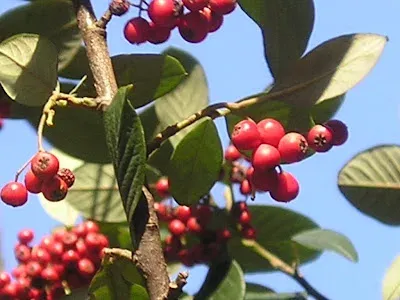
Description
Growing requirements
Cotoneaster insignis is a striking member of the Rosaceae family, highly valued in horticulture for its dense foliage and arching branches. This species serves as a versatile ornamental shrub, commonly used to create low-maintenance borders or as a structural element in landscape design.
Originating from the mountainous regions of the Himalayas, this plant has adapted to thrive in well-drained, stony environments. Its native habitat gives it a natural resilience to varying soil conditions, provided that the primary requirement for excellent drainage is met during cultivation.
The shrub performs best when planted in full sun or partial shade, which encourages optimal growth and vibrant foliage development. While the plant shows remarkable tolerance to dry conditions once established, providing occasional deep watering during extreme drought will keep the shrub looking lush and healthy.
In terms of soil preference, Cotoneaster insignis thrives in light, fertile loams with a neutral to slightly alkaline pH. On heavier, clay-based soils, it is essential to incorporate organic matter or sand to improve structure and ensure that the root system remains well-aerated.
Maintenance tasks are straightforward and include routine pruning, which is best performed in late winter or early spring to shape the plant. Because of its slow growth rate, the shrub maintains its desired structure for extended periods, making it a reliable choice for long-term garden planning.
Main diseases and pests
The primary health concerns for this species involve fungal diseases, particularly those triggered by poor air circulation or excessive moisture. Symptoms such as leaf spots can be effectively managed by pruning to thin out dense growth and applying appropriate fungicides during early outbreaks.
Pest pressures primarily come from sap-sucking insects like aphids and mites, which can weaken young shoots. Regular monitoring of the foliage and the application of insecticidal soap or horticultural oils can control these populations before they cause significant aesthetic damage to the plant.
Root rot caused by poorly drained soil remains a significant threat, often leading to rapid decline. Ensuring the planting site has a proper drainage layer is the most effective preventative measure against these soil-borne pathogens that thrive in waterlogged conditions.
Winter injury can occur in colder climates, especially for younger plants that have not yet established a deep root system. Providing a layer of mulch around the base of the shrub helps protect the roots from extreme temperature fluctuations during the dormant season.
By prioritizing site selection and maintaining good hygiene practices, gardeners can mitigate most risks associated with this plant. A healthy Cotoneaster insignis is generally vigorous and provides consistent seasonal interest, requiring minimal intervention when conditions are correctly matched.