
Cotoneaster insculptus
Cotoneaster insculptus
Description
Growing requirements
Cotoneaster insculptus is a perennial deciduous shrub belonging to the Rosaceae family. It is widely recognized for its robust growth habit and architectural value in various landscaping projects, making it a popular choice for both public and private green spaces.
The species originates from the mountainous regions of East Asia, where it has evolved to thrive in diverse environmental conditions. Its natural habitat includes rocky slopes and forest edges, which reflects its high adaptability to different soil structures.
To ensure optimal development, the shrub requires well-drained, nutrient-rich soil. While it tolerates various soil types, it performs best when provided with adequate moisture during the initial establishment phase after planting.
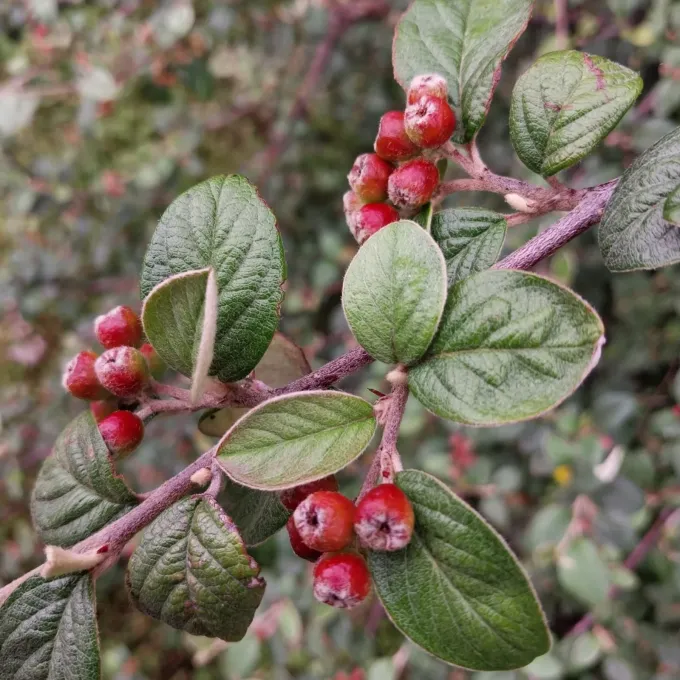
Botanically, it is characterized by dense, dark green foliage and small, inconspicuous flowers that bloom in late spring. These flowers provide a significant nectar source for local pollinators, contributing to the biodiversity of the garden.
Cultivation requires minimal intervention once the plant is established. Annual pruning is recommended to maintain the desired shape and promote denser growth, especially when used for hedge construction or formal plantings.
Main diseases and pests
Common pests affecting Cotoneaster insculptus include aphids and spider mites, which can cause leaf curling or discoloration during hot, dry spells. Monitoring the plant throughout the summer months is essential for effective pest management.
Fungal issues, such as leaf spot and powdery mildew, are the primary diseases encountered in cultivation. These usually occur when plants are placed in areas with poor airflow or excessive humidity, stressing the plant's immune system.
Gardeners should practice preventative measures such as removing debris from the base of the shrub and ensuring enough space between plants for ventilation. This reduces the risk of fungal spores taking hold in the canopy.
If chemical interventions are necessary, choosing systemic fungicides or eco-friendly insecticidal soaps can manage outbreaks effectively without harming beneficial garden insects. Always apply treatments during calm weather conditions.
Maintaining strong plant health through proper site selection and balanced fertilization helps the shrub build natural resistance against environmental stressors and potential pathogens throughout its lifespan.