
Cotoneaster induratus
Cotoneaster induratus
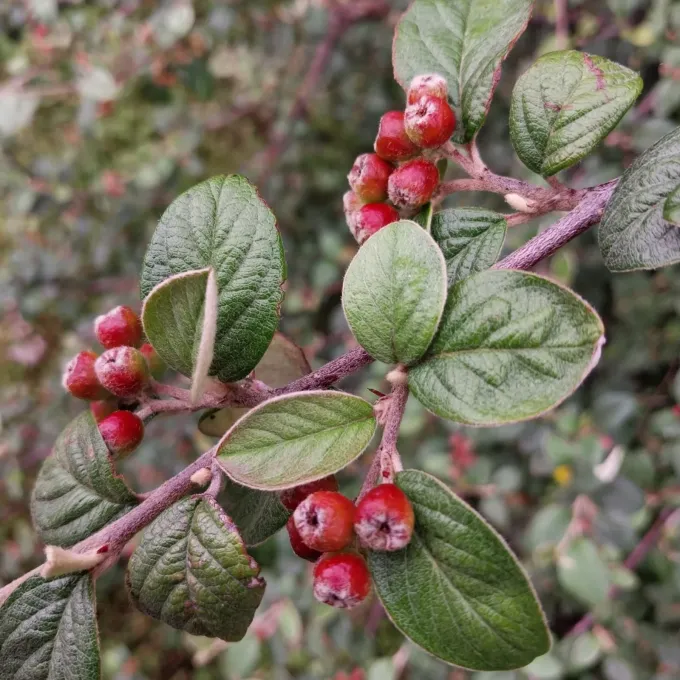
Description
Sowing dates
Seeds of Cotoneaster induratus are typically sown in autumn, allowing for a natural period of cold stratification during winter. This process is essential for breaking seed dormancy and ensuring uniform germination when spring temperatures rise.
When sowing in spring, seeds require artificial stratification in a cold environment at around 3–5 degrees Celsius for several months. Scarification of the hard seed coat can significantly improve the success rate of germination by allowing moisture to reach the embryo.
The planting medium should be well-draining, consisting of a mix of sand, peat, and soil. Seeds should be planted at a shallow depth of about 2–3 centimeters to encourage rapid emergence of the seedlings.
Vegetative propagation via softwood or semi-hardwood cuttings is also a common practice. Cuttings are taken during the summer months and rooted in a humid environment, often protected by greenhouse conditions to prevent excessive transpiration.
Once seedlings or rooted cuttings are strong enough, they are transplanted into nursery containers or directly into the landscape. Providing adequate space for root expansion is vital for the long-term health and vigor of the young shrubs.
Growing requirements
Cotoneaster induratus is a hardy perennial shrub belonging to the Rosaceae family. It is valued in horticulture for its toughness, ease of maintenance, and adaptability to various soil types, ranging from sandy to loamy textures.
The plant thrives in full sun or partial shade. While it exhibits great tolerance to different lighting conditions, exposure to abundant sunlight typically results in denser foliage and more prolific flowering throughout the growing season.
Water requirements are moderate, as the plant possesses good drought resistance once established. However, during periods of extreme heat or prolonged dry spells, occasional supplemental watering is beneficial for sustaining optimal growth rates.
Maintenance involves periodic pruning, which is essential for shaping the shrub and encouraging thick, healthy growth. This plant is an excellent choice for creating low-maintenance hedges, borders, or ground cover in diverse landscapes.
Soil drainage is a critical factor in successful cultivation. The species does not tolerate waterlogged conditions, which can quickly lead to root decay, so selecting a well-drained site or implementing drainage improvements is highly recommended.
Main diseases and pests
Fungal diseases, such as powdery mildew and various leaf spot infections, are among the primary threats, especially in humid and poorly ventilated environments. Proper spacing between plants helps minimize these risks by allowing for air circulation.
Common pests like aphids, scales, and mites can infest the foliage and succulent stems. Integrated pest management strategies, including the use of systemic insecticides or biological controls, are effective in managing these infestations.
Damage caused by pruning tools or environmental factors can serve as an entry point for pathogens. It is important to sterilize pruning shears regularly to prevent the inadvertent spread of diseases from one plant to another.
Fire blight is a serious bacterial disease that can affect this species. Affected branches should be pruned back to healthy wood and destroyed immediately to prevent the infection from spreading throughout the shrub.
Early seasonal inspections and preventative fungicide sprays can significantly reduce the incidence of disease. Maintaining plant vigor through proper nutrition and watering also helps the shrub better withstand environmental and biological stressors.